?unique=c23ef90)
You finally find a piece of jewelry you love.
It looks flawless — bright, polished, and luxurious.
But after just a short time…
It starts to lose its shine.
It darkens.
It no longer looks the way it did when you first bought it.
This isn’t just frustrating — it’s one of the biggest reasons customers lose trust in a jewelry brand.
But here’s what most people don’t realize:
Jewelry tarnishing is not random. It’s completely predictable.
And once you understand the causes, you can avoid it — or even eliminate it entirely.
1. What Is Jewelry Tarnishing, Really?
Tarnishing is a chemical reaction known as oxidation.
When certain metals interact with elements in their environment, they begin to change at a surface level.
Common triggers include:
- Oxygen (air exposure)
- Humidity and moisture
- Sweat and skin oils
- Chemicals (perfume, lotion, sunscreen)
Over time, this leads to:
- Discoloration
- Dullness
- Surface darkening
💡 Important insight:
Tarnish doesn’t mean the jewelry is “broken” — it means the material is reactive.
2. The #1 Cause: Base Material Quality
If there’s one factor that determines whether jewelry will tarnish quickly, it’s this:
The base material.
Let’s break down the most common ones used in the market:
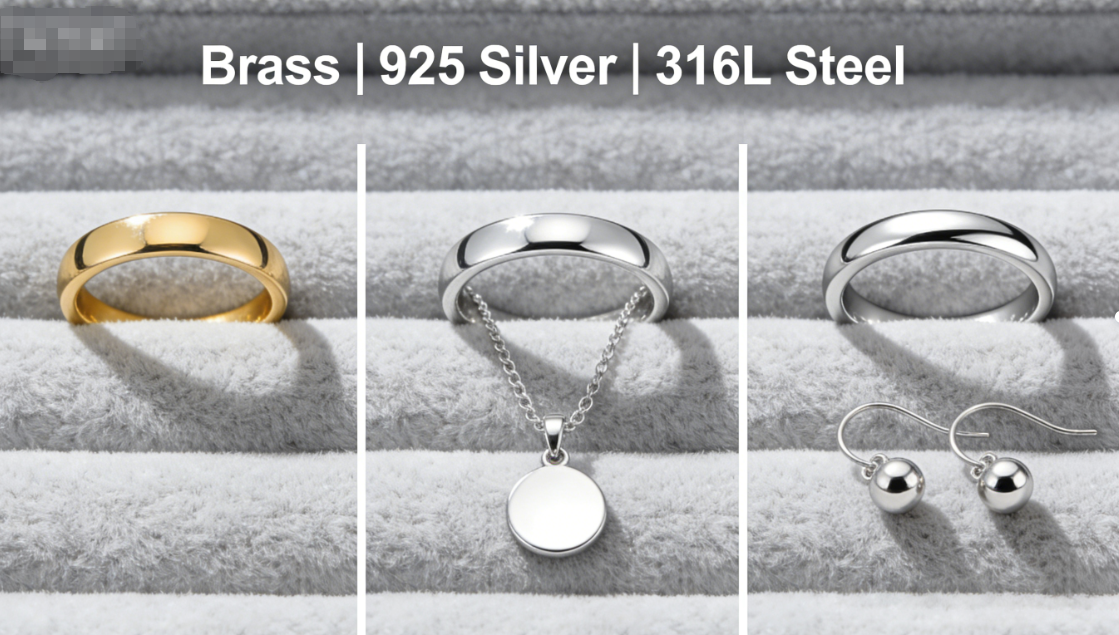
Brass (Copper Alloy)
- Very reactive with air and moisture
- Tarnishes quickly (sometimes within days)
- Often used in low-cost fashion jewelry
Suitable for: short-term fashion pieces
Sterling Silver (925 Silver)
- Contains 92.5% silver + alloy metals (usually copper)
- Naturally prone to oxidation
- Develops tarnish over time
Suitable for: premium positioning, but requires maintenance
316L Stainless Steel
- Highly stable and non-reactive
- Resistant to oxidation and corrosion
- Maintains color and shine with minimal care
Suitable for: everyday wear, long-lasting jewelry
💡 Industry reality:
Many customer complaints about “bad quality” are actually caused by material mismatch with usage — not manufacturing defects.
3. Gold Plating: Why Some Jewelry Fades Faster
A common misconception:
“If it looks like gold, it should last like gold.”
In reality, most “gold jewelry” is gold-plated, not solid gold.
The key factor here is:
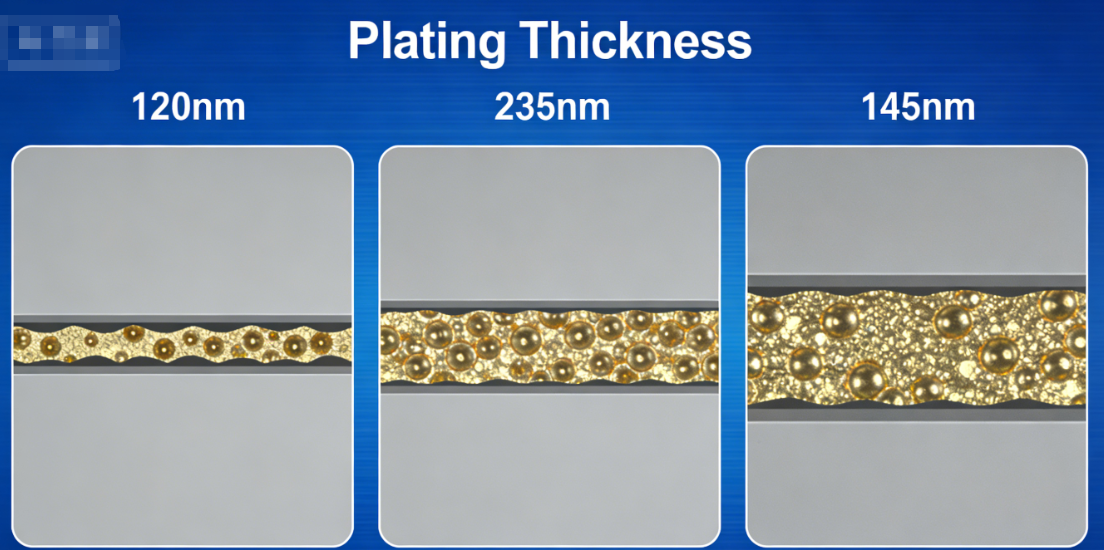
Plating thickness (measured in microns)
Typical industry standards:
-
0.03–0.05 micron
→ Very thin, fades quickly (often within weeks) -
0.3–0.5 micron
→ Moderate durability -
1–2.5 microns
→ High-quality plating, significantly longer lifespan
Why this matters:
Two pieces can look identical when new —
but perform completely differently over time.
💡 This is one of the biggest hidden reasons behind:
- Returns
- Negative reviews
- Customer dissatisfaction
4. Environmental & Lifestyle Factors
Even the best materials are influenced by daily wear conditions.
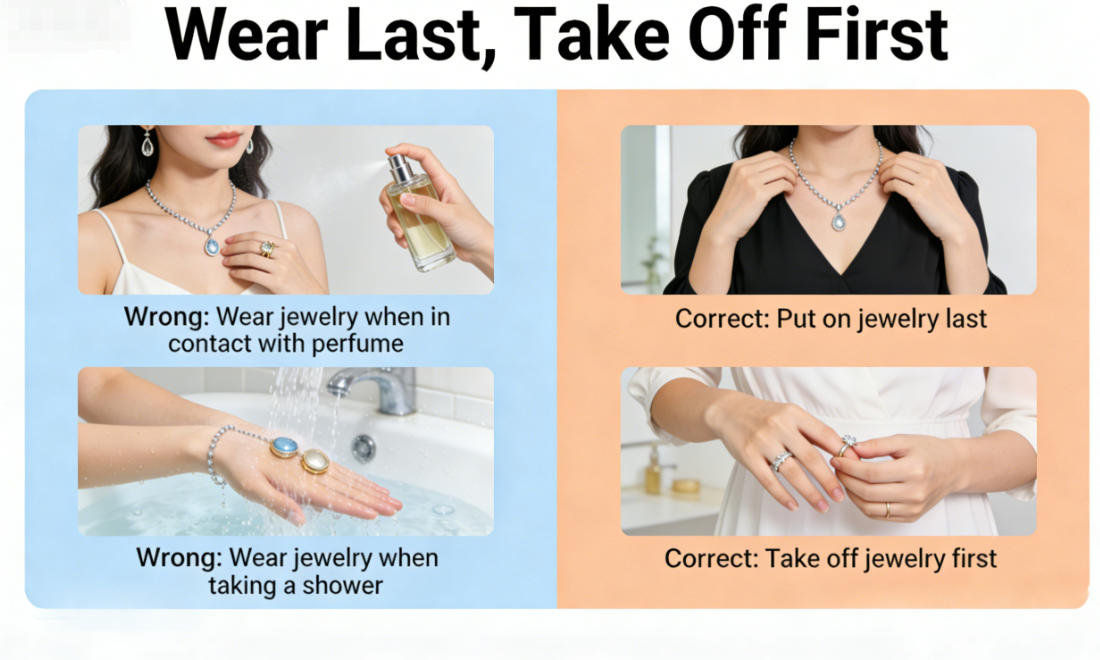
High-risk situations:
- Showering or swimming with jewelry
- Frequent sweating (gym, hot climates)
- Direct contact with cosmetics
Why this matters:
Chemicals + moisture accelerate oxidation and plating wear.
💡 Pro Tip (easy but powerful):
Wear your jewelry last when going out, and remove it first when coming home.
5. How to Prevent Jewelry from Tarnishing
While no material is 100% immune, proper care can dramatically extend lifespan.
Simple daily habits:
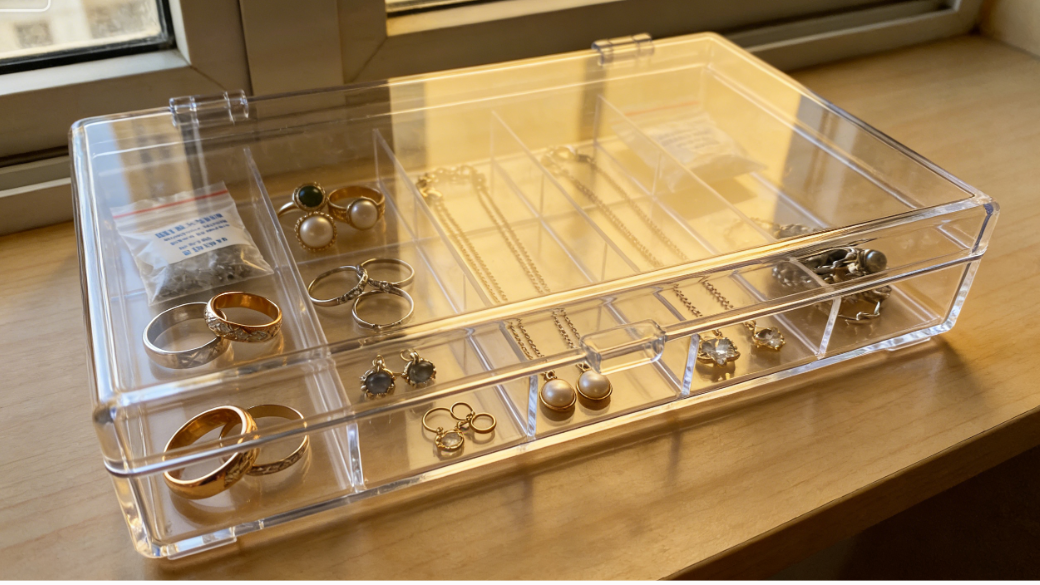
✔ Store jewelry in a dry, sealed space
✔ Avoid prolonged exposure to water
✔ Keep away from chemicals and sprays
✔ Wipe with a soft cloth after wearing
Advanced tip (for better longevity):
Use anti-tarnish strips or silica gel in storage boxes to reduce moisture.
6. Best Materials for Long-Lasting Jewelry (2026 Trend)
Consumer behavior is changing.
Today’s buyers want:
- Low maintenance
- Long-lasting shine
- Waterproof & sweat-resistant pieces
That’s why materials like 316L stainless steel are rapidly gaining popularity.
Compared to traditional materials, it offers:
- Excellent tarnish resistance
- Strong durability
- Lower return rates
- Better suitability for daily wear
💡 Industry shift:
More brands are moving toward stainless steel not just for cost — but for customer satisfaction and scalability.
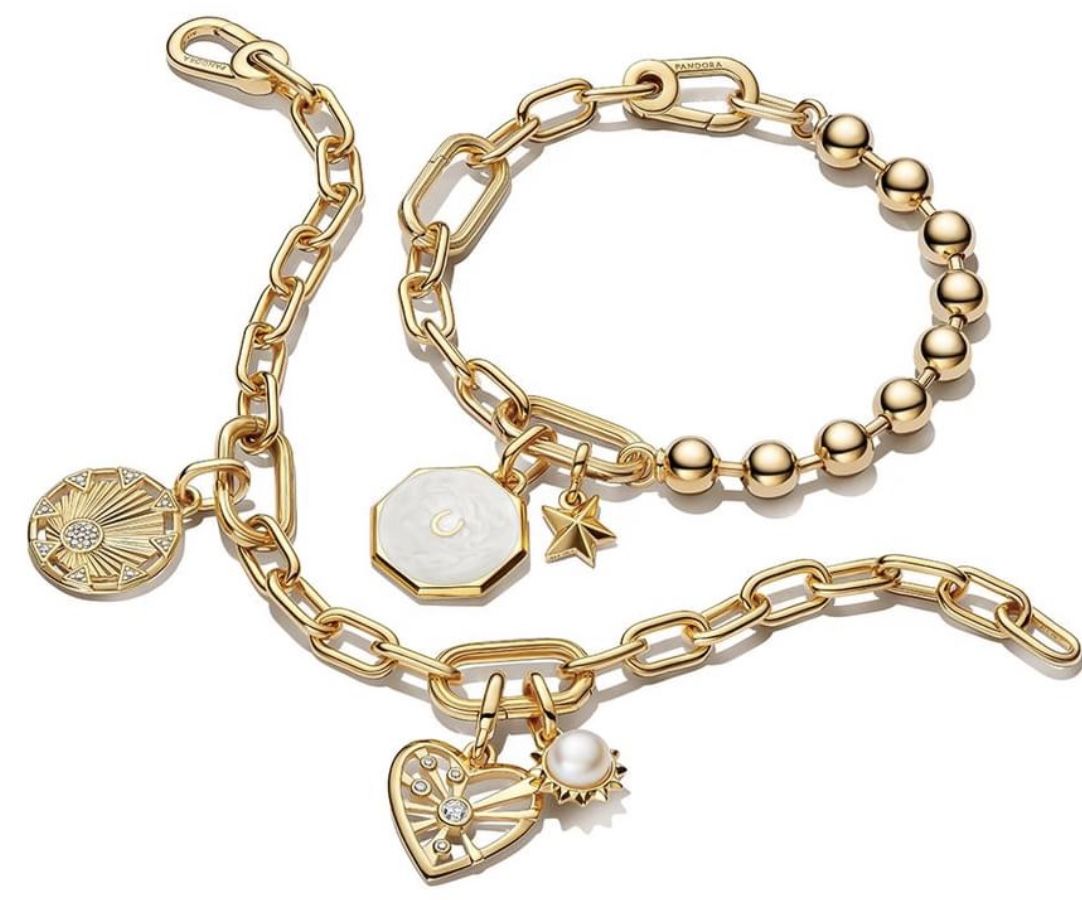
7. For Jewelry Brands: Why This Matters More Than You Think
If you’re building or scaling a jewelry brand, tarnishing is not just a product issue.
It directly affects:
- Customer retention
- Return rates
- Brand reputation
- Profit margins
👉 A lower-cost product that tarnishes quickly can actually cost more in the long run.
👉 A slightly higher-quality material can significantly improve:
✔ Customer satisfaction
✔ Repeat purchases
✔ Long-term brand trust
Final Thoughts
Jewelry tarnishing isn’t bad luck.
It’s the result of:
- Material selection
- Plating quality
- Real-world usage
Once you understand these factors, you can make smarter decisions — whether you’re buying jewelry or building a brand.
Looking to create jewelry that customers can wear every day — without worrying about fading?
At MCGA Jewelry, we help brands produce:
✔ Tarnish-resistant stainless steel jewelry
✔ High-quality gold plating (up to 2.5 microns)
✔ Consistent, scalable production
👉 Contact us today to build jewelry your customers will trust — and keep.
❓ FAQ
1. Why does my jewelry tarnish so quickly?
Because it’s likely made from reactive materials like brass or thin plating.
2. What jewelry does not tarnish?
316L stainless steel is one of the most tarnish-resistant options available.
3. How long does gold-plated jewelry last?
It depends on plating thickness and usage — higher microns last longer.
4. Can tarnished jewelry be fixed?
Sometimes, but repeated tarnishing is usually a material issue.
5. Is tarnish harmful?
No — it’s purely a surface reaction, not a safety concern.