
Since jewelry is worn close to the skin for a long time, the safety of its materials is crucial. Many cheap fashion jewelry pieces contain hidden hazardous metals. This guide helps you identify 7 materials to be wary of, avoiding health risks such as contact dermatitis and heavy metal toxicity.
1. Nickel: The Global Leader in Skin Irritation
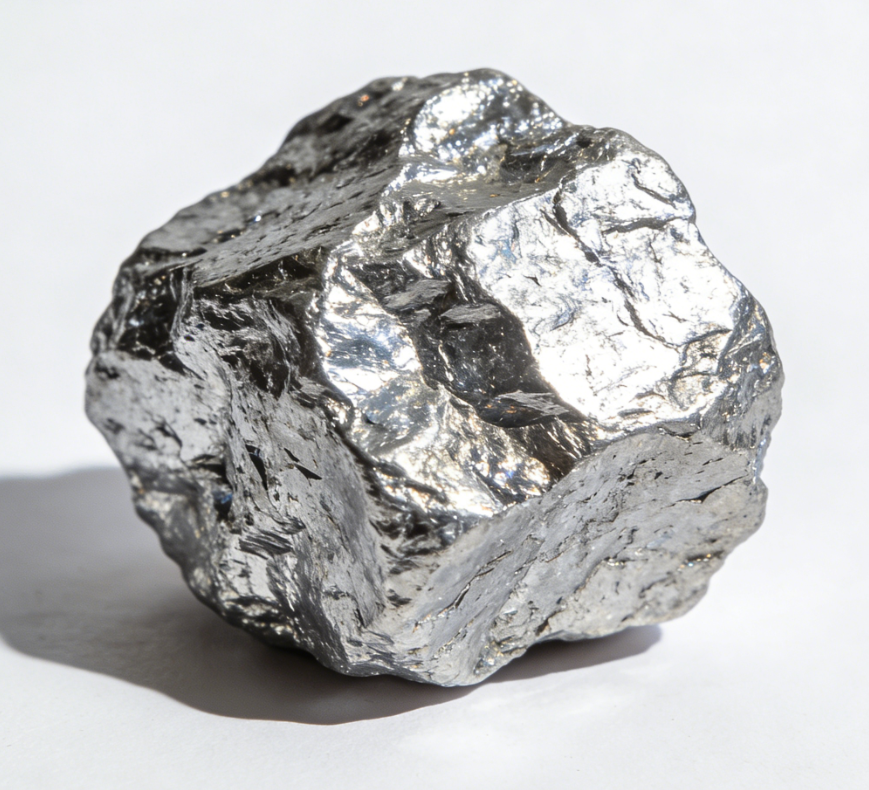
Nickel is a silver-white metal widely used in alloys due to its low cost and hardness. However, it is the most common skin irritant globally—about 20% of people are allergic to it, which may cause itchy blisters, exudation and ulcers.
Identifying Symptoms of Allergic Contact Dermatitis
A red rash may appear within 48 hours of contact with nickel (faster in sensitive people). The initial symptoms are persistent itching and dryness; if redness and swelling occur, remove the jewelry immediately.
Metal Type | Nickel Risk Level | Common Applications |
White Gold | High⚠️ | Engagement Rings |
316L Stainless Steel | Low✅ | Surgical Implants |
Zinc Alloy | Variable❓ | Fast Fashion Jewelry |
Sterling Silver | Low✅ | Fine Jewelry |
Why White Gold and Low-K Alloys Are Risky
Pure gold is too soft for daily wear, so jewelers mix it with other metals. White gold often uses nickel for brightness, and the nickel in 14k gold may trigger sensitive reactions; when the surface rhodium plating wears off, the skin will come into contact with the nickel core. Always check if your luxury jewelry meets the EN1811 standard when purchasing.
2. Lead: A Threat of Heavy Metals in Imitation Jewelry
Lead is a high-density, soft metal often used in cheap jewelry to add weight and reduce manufacturing costs. However, it is neurotoxic—there is no safe exposure dose for the human body, and it may cause permanent organ damage.
Why Manufacturers Insist on Using Lead
Lead is extremely cheap, which reduces the cost of mass-produced imitation jewelry and simplifies the casting process. Low-end brands prioritize lead for profits; it is hidden inside the metal and only exposed when the electroplating peels off. Suspect items can be tested with home lead swabs.
Neurotoxicity and Long-Term Health Risks of Lead
The human body mistakes lead for calcium and stores it in bones and teeth, while it also attacks the central nervous system, causing brain fog, memory loss and chronic fatigue. Worn and peeling lead may even be accidentally swallowed. Avoid jewelry that is too heavy or lacks material certification.
Heavy Metal | Main Toxicity | Regulatory Requirements |
Lead | Neurotoxicity🧠 | California Metal Law |
Cadmium | Carcinogenicity♋ | REACH Regulation |
Mercury | Nerve Damage⚡ | Minamata Convention Related Regulations |
Arsenic | Organ Failure🫀 | EU Safety Standard |
3. Cadmium: A Hidden Carcinogen in Mass Production
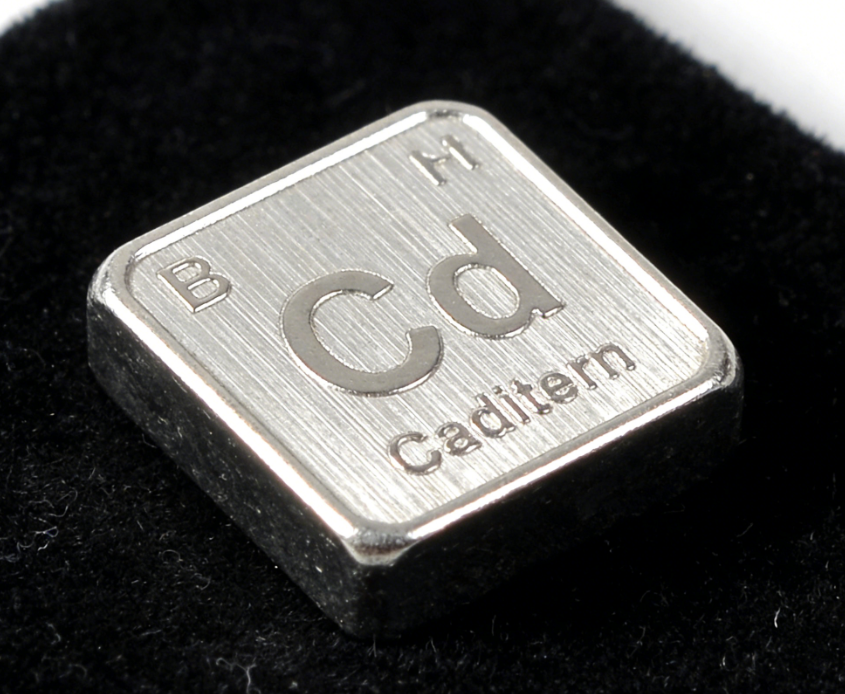
Cadmium is another heavy metal used in low-cost alloys. As lead regulations tightened in the early 2000s, some manufacturers switched to cadmium as a substitute. However, cadmium's health risks are equally severe—it is actually a known source of carcinogens. It is not a safe alternative but a hazard hidden in "mystery metal" earrings and pendants.
Understanding the Systemic Toxicity of Cadmium
Cadmium accumulates in the kidneys and may cause chronic renal failure. It can also lead to significant bone density loss over time, a condition known as Itai-Itai disease. In fact, once it enters the bloodstream, it is difficult for the body to eliminate this metal. This metal does not cause temporary rashes but permanent physical damage. Due to its high toxicity, Wikipedia: List of Heavy Metals classifies it as a priority pollutant. Avoid buying "unmarked" metal jewelry from unverified online markets.
Identifying Cadmium in Your Collection
Cadmium has no unique odor or color and is difficult to detect without laboratory equipment. However, very bright, shiny and cheap trinkets usually contain cadmium as a brightener in the plating process. In fact, jewelry stamps usually avoid these toxic metals entirely. Instead of buying unbranded items at street fairs, choose reputable manufacturers that offer material transparency.
Safety Standard | Core Focus | Applicable Region |
Proposition 65 | Warning Label Requirement | California, USA |
REACH Regulation | Chemical Substance Safety Control | EU |
ASTM F2999 | Adult Jewelry Safety Standard | Internationally Applicable |
ASTM F2923 | Children's Jewelry Safety Standard | Internationally Applicable |
4. Copper and Brass: When "Green Skin" Is More Than Just Unsightly
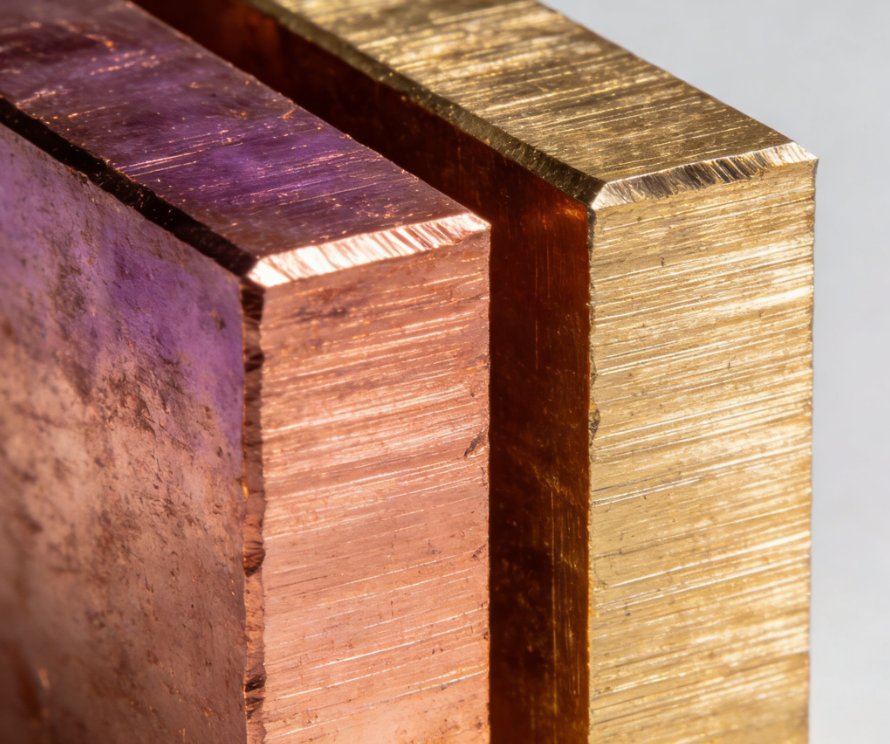
Copper and brass are common base metals used in fashion jewelry. They are ubiquitous due to their affordability and ease of processing. However, they are famous for turning the skin green. In fact, copper oxidation is the chemical reason for this discoloration. This is usually not a true allergy but a chemical reaction between the metal and sweat.
The Chemical Principle of Oxidation Reaction and Skin Discoloration
Since your skin is weakly acidic, it reacts with copper to form copper carbonate. However, the moisture and oil secreted by the skin accelerate this process. In fact, the green substance is just a layer of patina formed on the fingers. It is not permanent and can usually be washed off with ordinary soap. Many people avoid such metals entirely because it looks messy and cheap. Instead of throwing away the jewelry, you can use a transparent ceramic coating to form a protective film. In fact, PVD gold plating is the best professional method to prevent this reaction.
Distinguishing Between Skin Staining and True Metal Allergy
Because green skin looks scary, people often think they are having an allergic reaction. However, a true metal allergy causes redness, rashes and severe itching. In fact, staining is painless and smooth. There is no need to worry about toxicity—just check for signs of inflammation. Since brass contains zinc, it may still cause mild skin irritation in people with highly sensitive skin. Instead of wearing untreated copper jewelry, choose high-quality gold-plated styles. Because bracelets worn daily are in constant contact with the skin, they must be properly sealed to avoid staining.
Metal Material | Skin Reaction | Service Life |
Pure Copper | Green Staining 🟢 | Short |
Brass | Dull/Green Staining 🟢 | Short |
Bronze | Dark Patina ⚫ | Medium |
316L Stainless Steel | No Reaction ✅ | Long |
5. Zinc Alloys and "Mystery Metals" in Fashion Jewelry
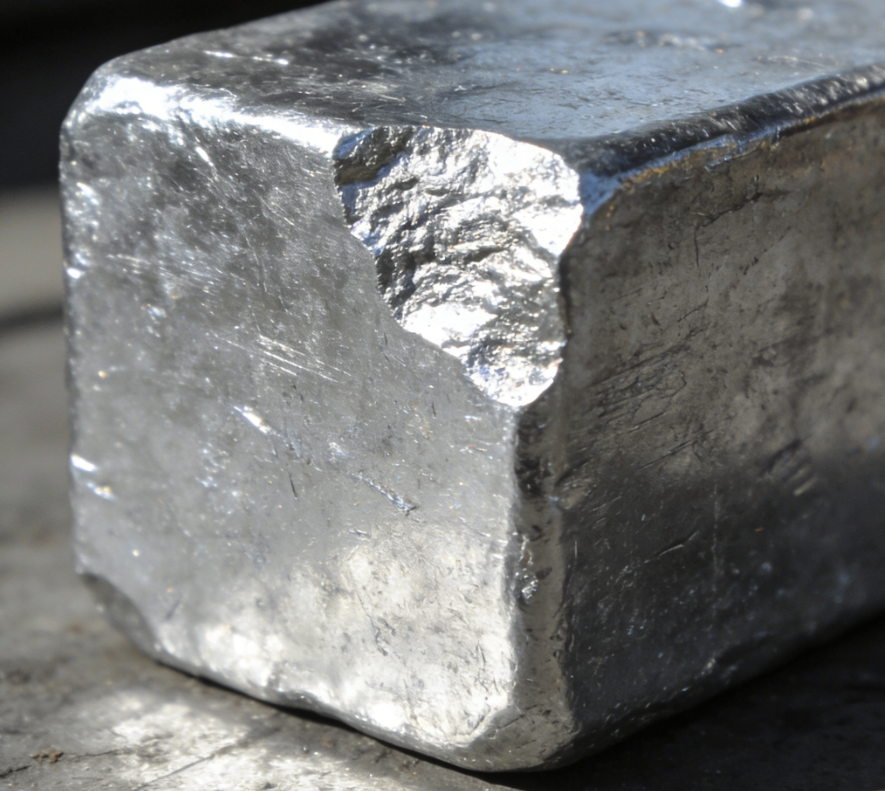
Zinc alloy jewelry is the mainstream material for low-cost fashion jewelry in shopping mall stores. It is lightweight and cheap to cast, so it can be seen on shelves around the world. However, these "mystery metals" often hide harmful fillers such as lead or cadmium. In fact, they are very prone to corrosion and "pitting". They cannot be used for years and usually get damaged or discolored within a few months.
Obvious Characteristics of Inferior Base Metals
Due to the fragility of zinc alloy, they usually feel "hollow" or abnormally light. However, they are often plated with a thin layer of gold or silver to pretend to be high-end jewelry. In fact, once the plating wears off, the underlying metal will appear dull. The surface will not be smooth and flat, but may have small pits, bubbles or rough edges. Since these alloys are not biocompatible, they often cause contact dermatitis. Instead of buying bulk "fashion" jewelry sets, invest in 316L surgical stainless steel jewelry.
Why Zinc Alloys Are Not Suitable for Daily Wear
As an active metal, zinc corrodes quickly when exposed to air and moisture. However, sweat is the biggest cause of its structural damage. In fact, the zinc metal inside the gold-plated layer may even completely oxidize into gray powder. What you get is not a durable accessory, but a disposable item that will eventually be thrown into the trash. Because you deserve high-quality jewelry, you should avoid the "zinc alloy" label when you see it on most jewelry websites. Instead of choosing temporary jewelry, choose industrial-grade waterproof jewelry made of high-quality materials.
Characteristics | Zinc Alloy | 316L Stainless Steel |
Melting Point | About 420°C (Low) | About 1400°C (High) |
Hardness | Low (Easily Scratched) | High (Scratch-Resistant) |
Biocompatibility | Poor | Excellent |
Recyclability | Low | 100% |
6. Silver-Plated Base Metals: A Nightmare of Fading and Peeling
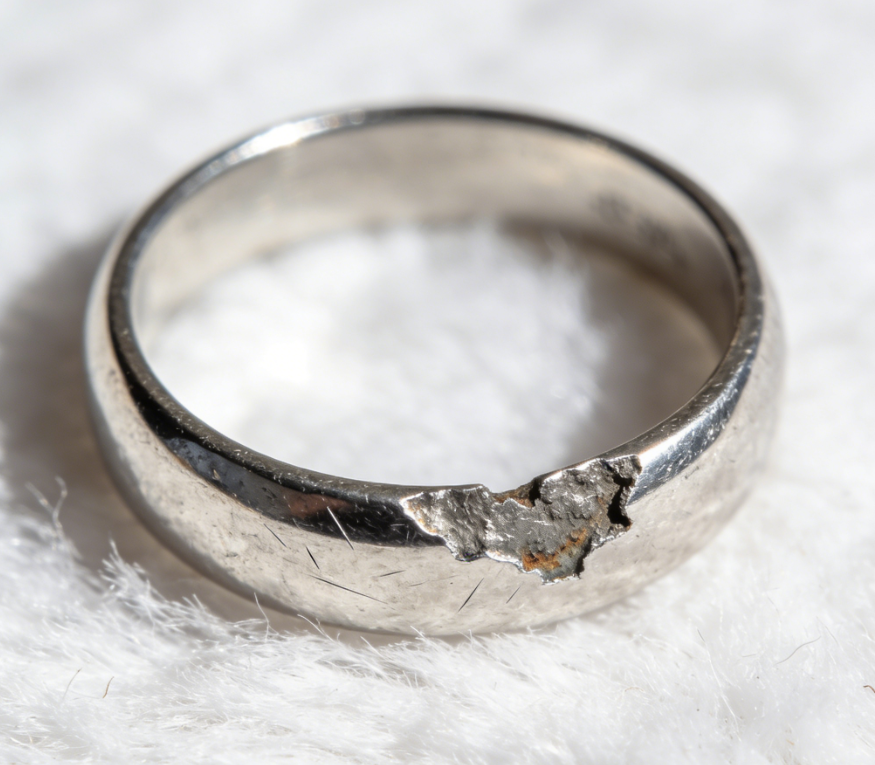
Silver-plated jewelry looks just like sterling silver at first glance. Because it has a thin layer of real silver on the surface, it looks shiny on the shelf. However, this layer of silver is usually only a few microns thick. In fact, it wears off very quickly with daily wear. What you get is not a piece of jewelry that can be worn for a lifetime, but an item that becomes "rusty" or orange after only a few wears.
The Lifespan of Gold-Plated Fashion Jewelry
Because the plating is very thin, slight friction from the skin or clothing will wear it off. However, perfume, lotion and hairspray will accelerate the peeling process. In fact, once the silver layer disappears, the underlying active base metal will immediately start to oxidize. What you see is no longer a silver luster, but orange, brown or black spots. Because the base metal is usually nickel or brass, your skin will soon react to the exposed metal. Instead of buying silver-plated brass jewelry, choose PVD gold-plated jewelry on medical-grade steel.
Why Sterling Silver Is Better Than Silver-Plated
Because Wikipedia: Sterling Silver (Standard Sterling Silver) is made of solid silver throughout, it can restore its original luster through polishing. However, once the thin plating of silver-plated jewelry disappears, it cannot be repaired. In fact, polishing silver-plated jewelry will only wear off more precious metals. On the surface, you save money, but in fact, you need to keep buying replacements. Since all silver jewelry will oxidize and discolor, you must be prepared for regular cleaning. Today, many professionals no longer prefer silver jewelry, but prefer the industrial fashion style of 316L stainless steel because it requires no deliberate maintenance.
Confidently upgrade your style! Because you deserve jewelry that won't irritate your skin or lose its luster, learn about our high-end 316L surgical-grade jewelry collection. In fact, our jewelry is designed for a modern, active lifestyle—waterproof, non-tarnishing and 100% hypoallergenic. Instead of settling for reactive mystery metals, choose the gold standard of durability. Click here to explore our stainless steel jewelry collection
7. Low-Purity Gold and Inferior White Gold Alloys
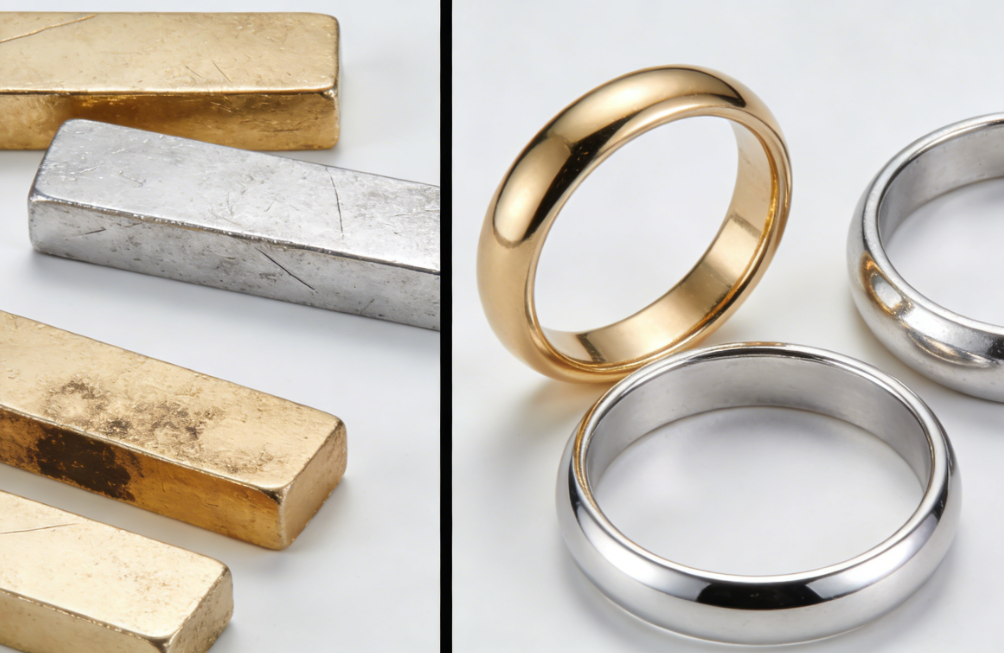
Gold is usually considered the safest metal for human skin. Because it is a precious metal, people have absolute trust in it. However, 10k or 9k gold contains more "fillers" than real gold. In fact, these fillers are often metals you should avoid, such as nickel or copper. What you get is not a pure gold experience, but a mixture of various irritants.
Hidden Fillers in 10k and 14k Gold
Since 10k gold is only 41.7% pure, the remaining 58.3% are base metals. However, manufacturers usually use nickel to reduce costs and increase hardness. In fact, this makes the gold more durable but also more irritating to sensitive skin. It is not so much a safe investment as it may cause unexpected rashes. Due to the low gold content, the jewelry may actually turn black or fade. Instead of choosing low-purity gold, choose earrings designed for sensitive skin with 18K or higher purity.
Expert Guide to Choosing Daily Jewelry Pieces
Because you wear jewelry every day, it must be biocompatible. However, bracelets and rings worn daily are exposed to the most friction and chemicals. In fact, PVD gold plating on 316L steel is usually more durable than solid 10k gold. You don't need to spend thousands of dollars to get the same look while having better safety features. Because 316L surgical-grade steel has scratch-resistant properties, it can remain smooth and shiny for a lifetime. Don't worry about the question "Which metals should be avoided in jewelry?"—choosing medical-grade steel is always correct.
Gold Type | Purity | Skin Safety |
24k Gold | 99.9% | Excellent✅ |
18k Gold | 75% | Very Good✅ |
14k Gold | 58.3% | Good⚠️ |
10k Gold | 41.7% | Fair❌ |