
Master the Art of Necklace Layering: A Stylish Guide for Every Outfit
Layering necklaces is more than just a jewelry trend—it’s a timeless styling trick that elevates any ensemble, from casual everyday tees to elegant formal gowns. It’s the effortless way to infuse personality into your look, mix textures for depth, and add a subtle (or bold) touch of sparkle to your neckline. But let’s be honest: nailing the perfect layered stack isn’t always as easy as it looks. Finding the sweet spot between complementary lengths, clashing styles, and tangle-free wear can feel like a styling puzzle.
Luckily, mastering necklace layering is all about following a few key principles—then adding your own personal flair. This ultimate guide will walk you through every step, from choosing the perfect base necklace to styling for every occasion, so you can create cohesive, eye-catching stacks that feel intentional, not cluttered.
Start with the Base: The Foundation of Every Great Layered Look
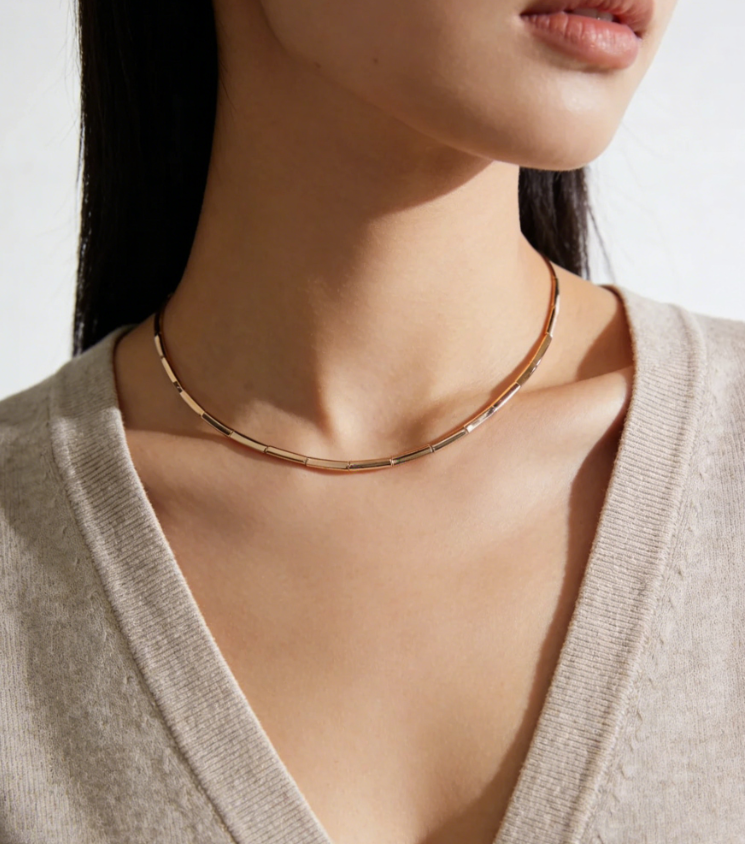
Every stunning necklace stack starts with a base necklace—the shortest piece in your layering set that acts as the backbone for everything else. Typically a delicate choker or slim chain, this piece sets the tone for your entire look, anchors longer layers, and ensures your stack has structure and flow (no floating, disconnected necklaces here!).
How to Choose Your Perfect Base Necklace
The golden rule? Match your base to your neckline. A sleek choker shines with low necklines (V-necks, scoop necks, off-the-shoulder) by drawing attention to your collarbone, while a dainty fine chain is the ideal pick for higher necklines (crewnecks, turtlenecks, mock necks) — it adds elegance without overwhelming the fabric.
Opt for a base that’s subtle, not flashy: think thin gold/silver chains or minimal chokers. Fit matters too—your base should sit comfortably on your neck, just above or on the collarbone, with no tight pinching or loose sliding. This sweet spot ensures it lays smooth and supports the rest of your stack perfectly.
Why the Base Layer Is Non-Negotiable
Think of your base necklace as the supporting actor in a movie: it might not be the star, but the whole production falls flat without it. It grounds longer chains and pendants, prevents your stack from looking unbalanced, and creates a harmonious flow from your neck down to your chest. Skip the base, and your layered necklaces risk looking messy, disjointed, or like an afterthought.
Layering Techniques: Mix Lengths, Chains, and Pendants for Balance
Once your base is set, it’s time to build out your stack with intentional mixing of lengths, chain textures, and pendants. The goal is visual balance with harmony—no random stacking allowed! Here are the pro tips to get it right:
Mix Lengths with Intent
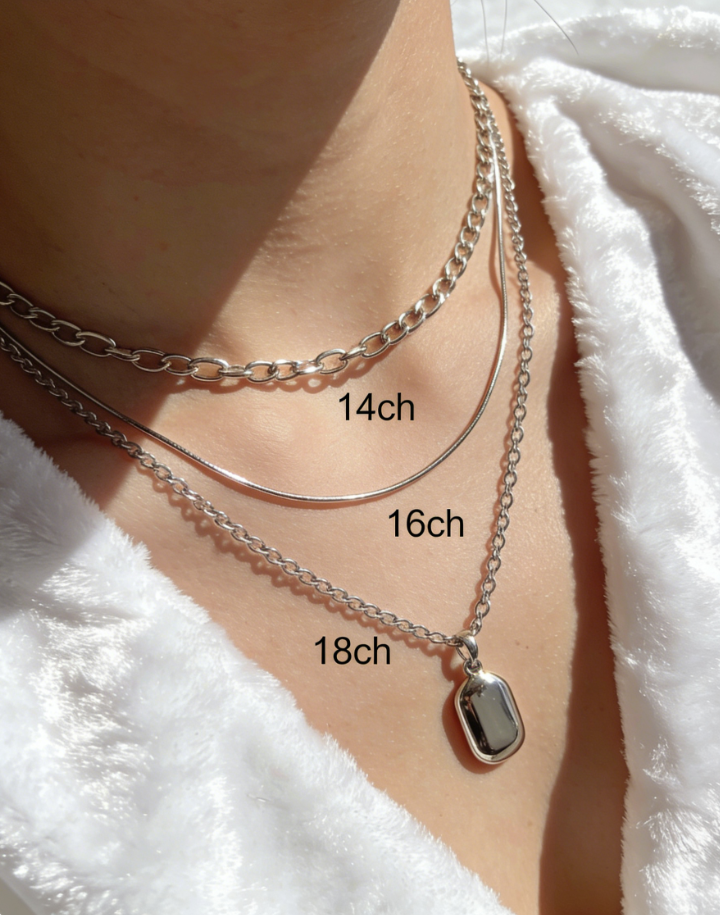
Vary necklace lengths by at least 2 inches between each layer for a natural, cascading flow. For example: a 14-inch choker → a 16-inch delicate chain → an 18-inch pendant necklace. Want drama? Go for bigger gaps (e.g., a choker paired with a 24-inch long pendant) for a bold, statement-making look. Stick to this spacing, and you’ll avoid a jumbled, tangled mess.
Play with Chain Types and Textures
Mixing chain styles adds dimension and depth to your stack—this is where the magic happens! Combine flat, smooth chains (herringbone, box, flat curb) with textured ones (rope, figaro, link) for contrast. Pro hack: use smooth, flat chains as your base (they’re far less likely to tangle) and reserve flexible, intricate chains for longer layers. This simple swap cuts down on knotting and keeps your stack looking polished.
Add Pendants for Focus (Without the Crowd)
Pendants are the perfect way to draw attention to your stack—just place them wisely. A small pendant on your shortest chain highlights your collarbone, while a larger statement pendant on a longer chain adds drama and acts as a focal point.
Key rules for pendants:
- Mix sizes (dainty + bold) for balance
- Avoid overcrowding—1-2 pendants per stack is enough
- Pair bold pendants with simple chains (and vice versa) for an eye-catching, uncluttered look
Less Is More: The 3-Layer Rule for Effortless Style
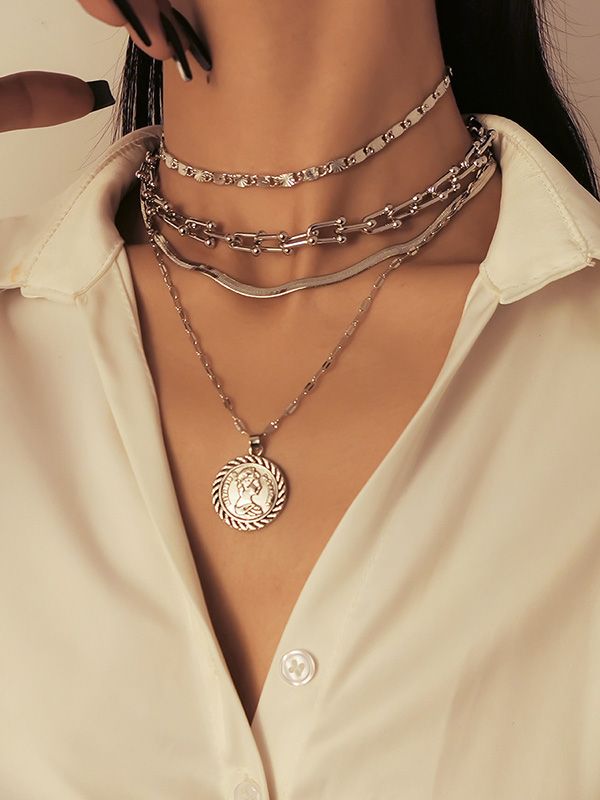
When it comes to necklace layering, the age-old design principle less is more reigns supreme. It’s tempting to pile on every chain you own, but sticking to 3 layers is the secret to a well-balanced, stylish stack.
Why three? This number lets each piece shine without competing for attention. Add a fourth (or fifth!) layer, and your stack quickly becomes chaotic—especially if pieces are similar in length or style. Three layers strike the perfect balance: enough to add interest and dimension to your outfit, but not so many that they distract from your overall look.
How to Build the Perfect 3-Layer Stack
- Base layer (shortest): Your choker or delicate collarbone chain (the foundation)
- Middle layer: 2 inches longer than the base—add a subtle texture or tiny pendant here for depth
- Focal layer (longest): 2 inches longer than the middle—this is where your statement pendant or bold chain lives (the star of the stack)
Add a Pop of Color (Strategically!)
A splash of color can take your layered necklace stack from basic to unforgettable—if you do it right. A vibrant pendant, gemstone accent, or colored chain infuses personality and fun into your look, without overpowering your outfit.
How to Incorporate Color
Stick to one statement color that complements your outfit. If you’re wearing neutrals (black, white, beige, gray), go bold with rich emerald, deep amethyst, bright turquoise, or ruby red—this makes your stack the focal point. If your outfit already has color, opt for a subtle hue that matches or accents one of the tones in your clothing (e.g., a soft blue pendant with a navy dress).
The Best Place for Color
Position your colorful piece on the shortest chain (closest to your neck). This ensures it’s the star of the stack, drawing attention to your neckline without competing with longer layers. Place it too low, and it’ll get lost in the mix or clash with other pendants. Color should be an accent, not the entire show—keep it front and center for the perfect amount of contrast.
Mix Shapes and Styles for Dynamic Visual Interest
To create a stack that feels modern and intentional, mix shapes and styles—this is how you avoid a flat, boring look. Combining contrasting elements adds dimension and makes your layering feel uniquely yours.
Balance Shapes for Contrast
Pair soft, curved pendants (circles, ovals, hearts) with sharp geometric shapes (squares, triangles, rectangles) for harmony and structure. The contrast between curves and angles adds visual interest and keeps your stack from feeling one-note. For example: a delicate round initial pendant on your base layer + a triangular metal pendant on your middle layer = a balanced, dynamic look.
Blend Styles for Personality
Mix minimalist and bold styles for the ultimate contrast. Start with a super delicate fine chain (minimalist) and layer a chunky curb chain or oversized pendant (bold) on top. Dainty pieces keep the stack from feeling heavy, while dramatic ones add texture and personality—this combo is playful, balanced, and endlessly stylish.
Layer for Every Occasion: Casual to Formal
Necklace layering isn’t one-size-fits-all—it’s easily adaptable to any event, from a coffee run to a black-tie wedding. The key is adjusting the number of layers, chain thickness, and pendant size to match the vibe of the occasion.
Casual Everyday Looks
For relaxed days (brunch, errands, work-from-home), keep it simple and laid-back:
- Start with a thin gold/silver chain as your base
- Add one long, lightweight pendant for a carefree feel
- Mix subtle textures (e.g., a fine chain + a slightly chunkier rolo chain) for extra depth
- Perfect for pairing with T-shirts, casual blouses, hoodies, and denim
Formal Occasions (Weddings, Galas, Parties)
For formal events, elegance and subtlety are key—less is more:
- Opt for a delicate choker (pearl, diamond, or slim metal) as your base
- Add one long, refined pendant (minimalist metal, pearl, or small gemstone) for timeless chic
- Stick to smooth, polished chains and minimal layers (2 is ideal!)
- Avoid chunky chains or bold colors—let your outfit and subtle jewelry take center stage
Day-to-Night Transition
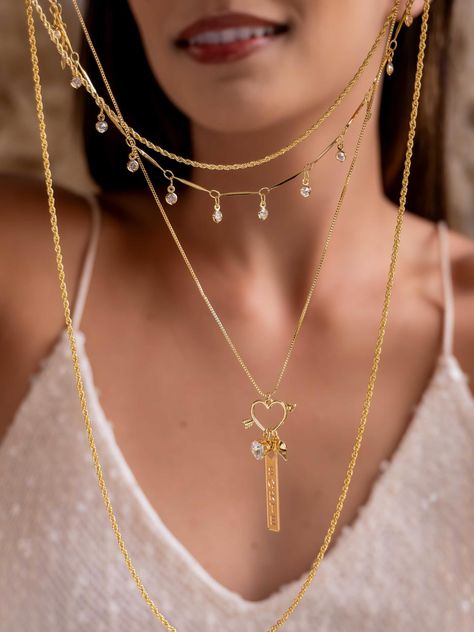
Layering necklaces is the ultimate hack for switching from day to night with minimal effort. Start with your simple 2-3 layer casual stack for the day, then make one small swap or addition for the evening:
- Replace a simple chain with a bold statement pendant
- Add a thin, sparkly chain (with tiny crystals/diamonds) for glamour
- Swap a dainty choker for a sleek metal oneThese small changes shift your look from effortless casual to eye-catching evening ready—no full outfit change required!
Keep Your Necklaces Tangle-Free (Forever!)
Tangles are the ultimate layering nightmare, but a few simple tricks will keep your chains smooth, knot-free, and ready to wear.
Prevent Tangling While Wearing
- Choose tangle-resistant chain types: flat links, herringbone, box, rolo, or curb chains (smooth, non-roll styles are best)
- Avoid overly delicate, thin chains—they knot and catch on other pieces easily
- Stick to the 2-inch length gap rule—this keeps chains from sliding into each other
Storage Tips for Tangle-Free Jewelry
Proper storage is just as important as the chains you choose:
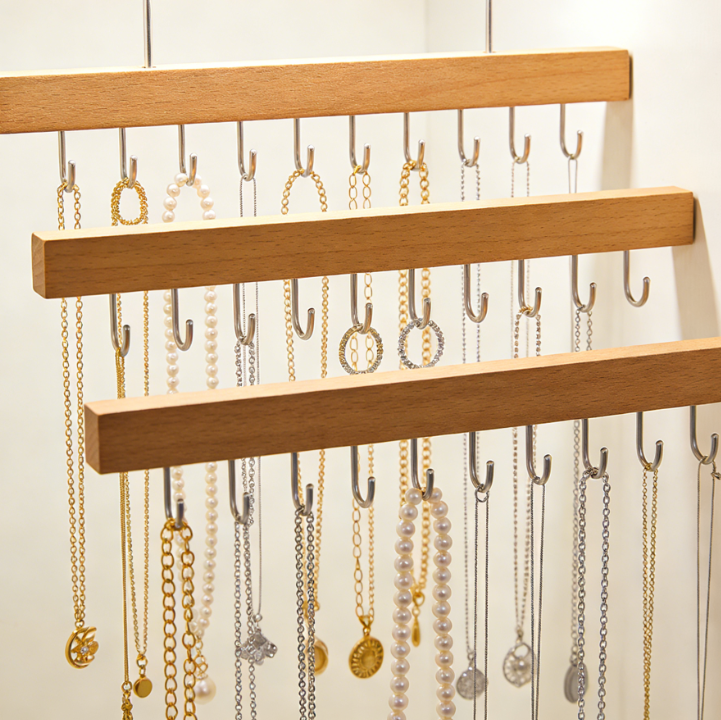
- Use a hanging jewelry organizer or wall display to keep necklaces separate (hanging prevents them from twisting)
- Store each necklace in its own jewelry pouch or compartment in a jewelry box
- For travel, use a roll-up jewelry case with individual slots—this keeps chains safe and knot-free on the go
Expert Pro Tips for Perfect Layering
Jewelry professionals and stylists have a few secret insights to take your layering to the next level—these small details make all the difference:
- Consider your face shape: For round faces, longer necklaces and V-shaped pendants elongate your features. Oval faces can pull off any length (chokers to long pendants!). Heart-shaped faces look great with chokers and short collarbone chains.
- Match metal tones (or mix intentionally): Stick to one metal (gold, silver, rose gold) for a cohesive look, or mix two tones (e.g., gold + silver) for a modern, edgy vibe—just avoid mixing all three (it can look messy).
- Add personalized touches: Initial necklaces, birthstone pendants, or tiny charm necklaces make your stack unique and meaningful. Pair them with minimalist chains for balance—this trend is timeless and always stylish.
- Follow the neckline rule: Longer necklaces (20+ inches) complement low-cut tops, while shorter chains/chokers work best with high necklines. This ensures your jewelry enhances, not competes with, your outfit.
Final Thoughts: Embrace Experimentation and Your Personal Style
At the end of the day, necklace layering is all about you. The rules in this guide are just a starting point—don’t be afraid to break them, experiment with different combinations, and create stacks that reflect your personality and style.
Whether you’re a minimalist who loves 2 delicate layers or a bold stylist who rocks a 3-layer stack with a colorful statement pendant, the perfect layered look is the one that makes you feel confident and beautiful. Mix lengths, textures, shapes, and colors; play with pendants and personalized pieces; and have fun with it—this is what jewelry styling is all about.
Now it’s time to grab your favorite necklaces, start stacking, and elevate every outfit with a little (or a lot!) of layered jewelry magic.