
We’ve all been there: you spot a stunning ring at an unbeatable price, wear it on repeat for a week, and then notice your finger has turned an unpleasant shade of green. The culprit? Not all jewelry metals are built to stand up to daily life—and the difference between zinc alloy and stainless steel isn’t just about cost or aesthetics. It’s the line between a piece that lasts a season and one that endures for a decade.
At first glance, the choice seems straightforward: zinc alloy is budget-friendly, stainless steel is long-lasting. But to make a truly smart purchase, you need to understand the science, durability, and real-world performance behind these two popular alloys. Below, we break down their pros, cons, key differences, and how to pick the perfect metal for your lifestyle—so you never have to sacrifice style for longevity (or vice versa).
Understanding Zinc Alloy Jewelry: Affordable Trendy Pieces, Short-Term Wear
Walk into any fashion jewelry store, and you’ll find zinc alloy front and center. It’s the go-to base metal for “affordable luxury” pieces, and for good reason: manufacturers love its ultra-low cost and incredible moldability. Thanks to die casting, zinc alloy shines for creating chunky necklaces, highly detailed charms, and sculptural designs that would cost a fortune in solid gold or silver.
Technically, most zinc alloy jewelry uses Zamak—a blend of zinc, aluminum, magnesium, and copper—known for its low melting point and ability to capture intricate patterns. The catch? Raw zinc is dull and gray, so brands coat it with a thin layer of gold, silver, or rose gold via electroplating to give it that polished, high-end look. For $20 instead of $200, you get on-trend pieces perfect for seasonal styles you only plan to wear for a few months.
But zinc alloy’s strengths end with its design flexibility. It’s a soft metal with low tensile strength, meaning it’s prone to snapping, cracking, and wear—and its electroplated coating fades fast with regular use.
The Power of Stainless Steel: The “Set It and Forget It” Metal for Daily Wear
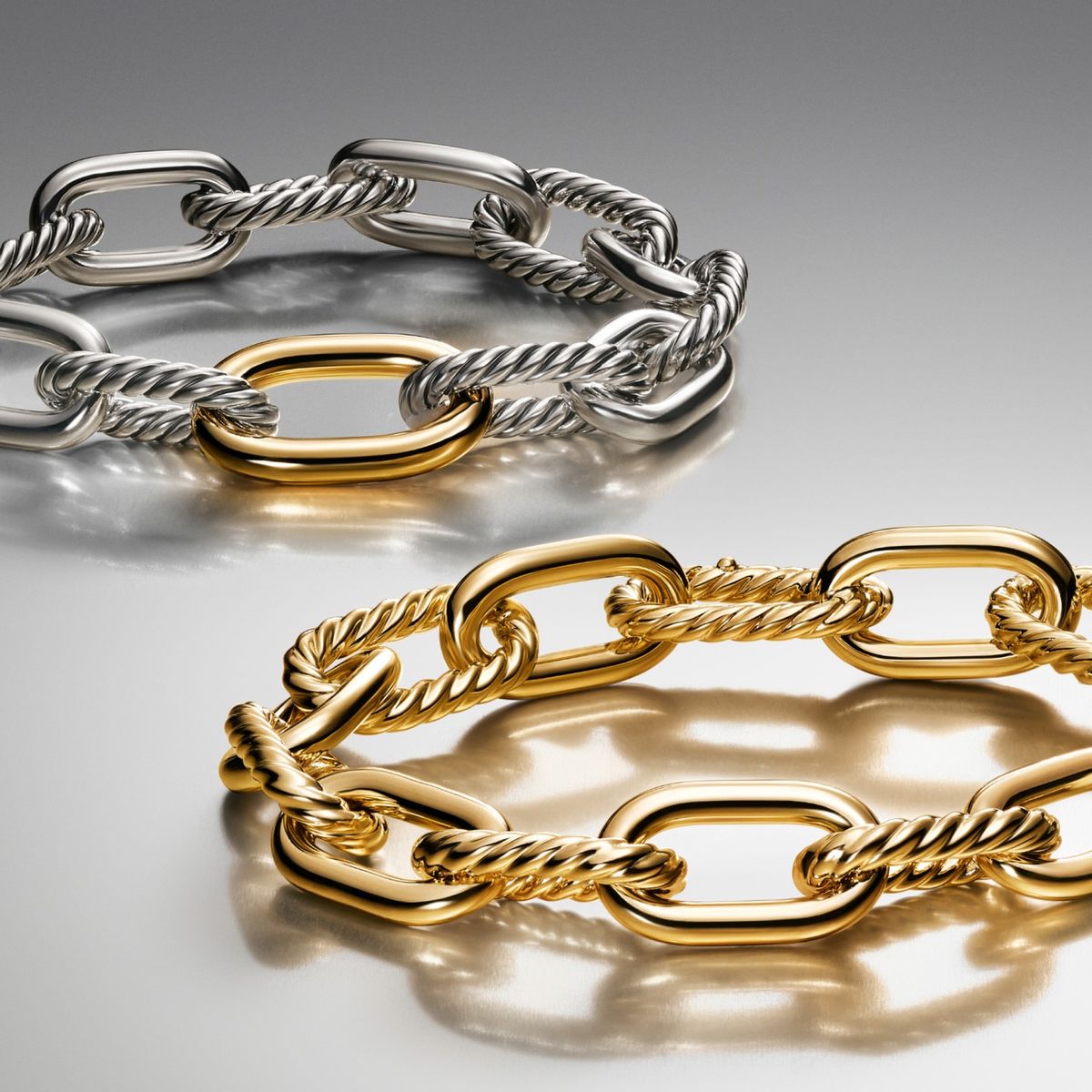
If you’re tired of replacing jewelry every few months, stainless steel is the powerhouse metal your accessory collection needs—especially 316L stainless steel, the gold standard for skin-touching jewelry (it’s the same metal used in surgical tools and luxury watches, for good measure).
The secret to its unbeatable performance? High chromium content creates a self-healing protective film on its surface, delivering next-level corrosion resistance. The “L” in 316L stands for Low Carbon, making it even more rust-proof than regular stainless steel. Unlike silver (which tarnishes) or zinc alloy (which fades), 316L stays bright, shiny, and tarnish-free—no matter what daily life throws at it.
This is the ultimate “set it and forget it” metal: wear it to the gym, the ocean, the shower, or to work, and it won’t react to sweat, salt water, or soap. It’s tough, hard-wearing, and built to last for years (if not decades).
Zinc Alloy vs Stainless Steel: Head-to-Head Comparison
The real test of any jewelry metal is how it holds up to your busy, everyday routine. Here’s how zinc alloy and stainless steel stack up in every key category:
Core Durability & Wear Resistance
Zinc alloy is soft and brittle: a zinc ring can snap just from opening a heavy door, and a zinc earring might crack if dropped on a hard floor. It’s porous, too—absorbing moisture over time and causing internal oxidation that ruins the piece from the inside out. Scratches show easily, and its electroplated coating typically wears off in 3–6 months.
Stainless steel is the opposite: incredibly hard, tough, and scratch-resistant. It takes daily knocks (desks, keys, doors) without a single dent, maintains its shape for years, and resists moisture and oxidation entirely. For long-term wear, it’s an unmatched choice.
Skin Safety & Hypoallergenic Properties
One of the most frustrating jewelry woes? A beautiful piece that leaves a painful, red rash on your skin. The main culprit is nickel—a metal found in most zinc alloys that leaches out when it touches sweat, triggering immune system reactions (itching, swelling, irritation) in sensitive skin. Zinc alloy also causes that infamous green finger: when its plating wears off, the copper in the alloy reacts with your skin’s natural acidity.
316L stainless steel solves this problem. While it contains a small amount of nickel, its tight metal structure traps the nickel inside, making it bio-inert—the nickel never reaches your skin cells. It’s hypoallergenic, non-irritating, and safe even for those with extremely sensitive skin (and it never turns skin green).
Water & Tarnish Resistance
| Feature | Zinc Alloy | Stainless Steel |
|---|---|---|
| Water Resistance | Low | High |
| Tarnish Risk | High | Very Low |
| Scratch Resistance | Medium | High |
| Longevity | Short-term | Multi-year |
Zinc alloy’s porous nature makes it a disaster with water: even a little moisture speeds up tarnish and plating wear. Stainless steel, by contrast, is 100% rust and corrosion-resistant—swim, shower, or sweat in it, and it stays as shiny as the day you bought it (a quick rinse to remove soap or chlorine is all it needs for extra care).
Price & True Value (Cost Per Wear)
It’s no secret zinc alloy is cheap—retail prices range from $5–$20—and its fast production speed makes it ideal for fast fashion. But its low durability means it’s a short-term investment: most pieces only last a season (3–6 months) with daily wear, so you’ll end up replacing them repeatedly.
Stainless steel has a moderate material cost with retail prices from $25–$75, and production is a bit slower—but its true value lies in its longevity. High-end stainless steel jewelry uses PVD coating (Physical Vapor Deposition), which bonds color to the metal at a molecular level, making the finish last 2–5 years (or longer with care). The cost per wear is far lower: one stainless steel ring that lasts a lifetime beats ten cheap zinc alloy rings that fade in months.
| Aspect | Zinc Alloy Jewelry | Stainless Steel Jewelry |
|---|---|---|
| Material Cost | Very Low | Moderate |
| Production Speed | Very Fast | Moderate |
| Durability | Low (brittle) | High (tough) |
| Coating Life | 3–6 Months | 2–5 Years |
| Retail Price | $5–$20 | $25–$75 |
 Choosing the Right Metal for Your Lifestyle
The best metal isn’t just about durability or cost—it’s about matching your daily routine and style goals. Here’s how to pick:
Choose Stainless Steel If…
- You hit the gym, swim, or spend time outdoors regularly (it handles sweat, salt water, and sun flawlessly).
- You have sensitive skin (it’s hypoallergenic and nickel-safe).
- You want timeless, everyday pieces (workwear, wedding bands, staple necklaces) that stay looking new for years.
- You care about sustainability: stainless steel is 100% recyclable without losing any quality.
Choose Zinc Alloy If…
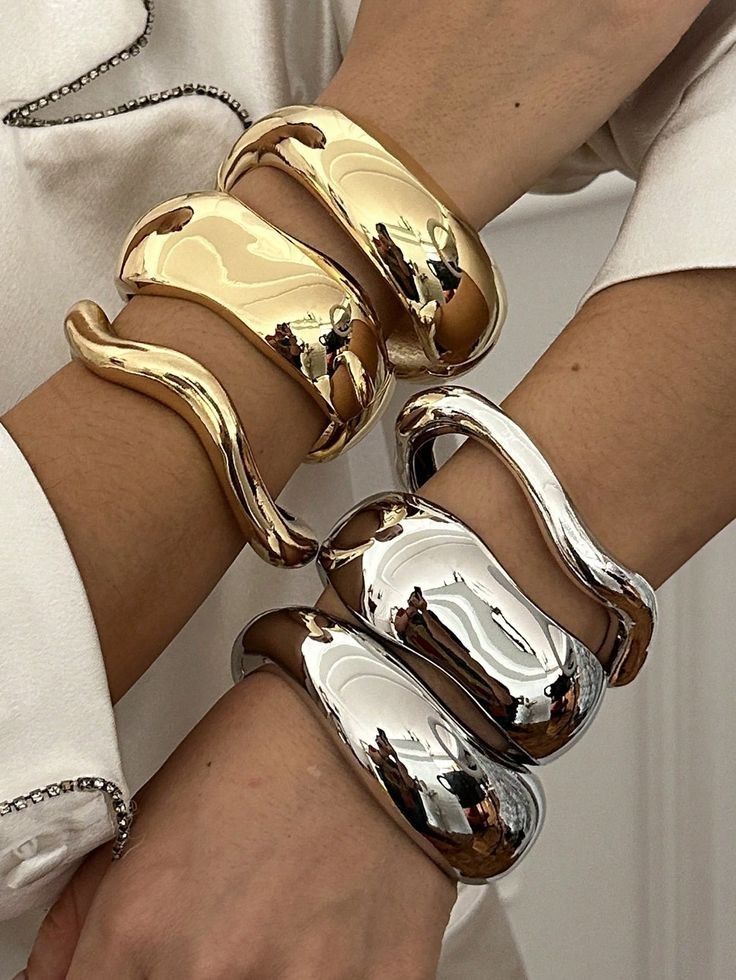
- You’re a trend-seeker who loves bold, oversized, or seasonal designs (it’s perfect for experimenting with new looks).
- You don’t want to spend a lot on a piece you’ll only wear for a few months.
- You’re looking for highly detailed charms or statement jewelry that would be too expensive in other metals.
Pro tip: Zinc alloy pieces need extra care—keep them dry, avoid wearing them to the gym or shower, and store them in a sealed jewelry box to extend their life.
Visual Trends & Finishing Techniques: Why Stainless Steel’s Finish Lasts Longer
We’ve all felt the disappointment of a gold-plated zinc alloy necklace turning dull and coppery after a few weeks. The issue is the finishing: zinc alloy relies on standard electroplating—a thin dip in metal that looks great on the shelf but wears off quickly with friction, moisture, or even air. The thin coating flakes, fades, and leaves the dull gray zinc underneath exposed.
Stainless steel uses Physical Vapor Deposition (PVD), a high-end finishing technique that’s a game-changer. Instead of dipping the metal, PVD vaporizes gold, silver, or rose gold in a vacuum, bonding the color to the steel’s surface at a molecular level. The result? A thick, hard coating that resists scratches, fades, and wear—stainless steel with a PVD gold finish looks like 18k gold for years, not weeks.
Zinc alloy is too soft to withstand the intense heat of PVD coating, so it’s stuck with short-lived electroplating—another reason it’s a short-term choice.
How to Tell Zinc Alloy vs Stainless Steel Apart at Home (No Lab Needed!)
At first glance, polished zinc alloy and stainless steel look identical—but their physical properties make it easy to tell them apart with a few simple at-home tests. No fancy tools required:
- The Weight Test: Stainless steel is iron-based and dense, so it has a satisfying heft. Zinc alloy feels light, almost plastic-like, in your hand.
- The Sound Test: Tap the metal against a hard surface (a table or counter). Stainless steel produces a clear, bell-like ring (thanks to its hardness). Zinc alloy makes a dull “thud” (it’s too soft to resonate).
- The Magnet Test: Most 316L stainless steel is non-magnetic—a magnet will slide right off it. Zinc alloy is slightly magnetic, so the magnet will stick.
- The Scratch Test (gentle!): A small nail file will leave a visible scratch on soft zinc alloy; stainless steel will resist the scratch entirely.
Bonus: Once you know you have stainless steel, learn how to clean and maintain it—it’s easy, and it’ll keep your pieces looking brand new for years.
Frequently Asked Questions (FAQs)
Does zinc alloy jewelry turn skin green?
Yes. When the electroplated coating wears off, the copper in the zinc alloy reacts with your skin’s natural acidity, causing the green discoloration. Stainless steel never causes this.
Can I wear stainless steel in the shower?
Absolutely! 316L stainless steel is rust and corrosion-resistant. For the best finish, rinse it with water after showering to remove soap or shampoo residue (chlorine from pools should also be rinsed off).
Is zinc alloy safe for new piercings?
No. New or sensitive piercings need medical-grade metal to avoid infection and irritation—stick with 316L stainless steel or titanium for piercings.
How long does zinc alloy jewelry last?
With excellent care (dry, stored safely, minimal wear), it can last 1–2 years. With daily wear or exposure to water, it will tarnish and fade in just a few months.
Is 316L stainless steel really hypoallergenic?
Yes. While it contains a small amount of nickel, the metal’s tight structure traps the nickel inside, so it never comes into contact with your skin. It’s safe for even the most sensitive skin types.
Final Thoughts: Mix & Match for the Perfect Jewelry Collection
Zinc alloy and stainless steel both have their place in the jewelry world—they’re not competitors, but complements.
Zinc alloy gives us affordable, on-trend pieces that let us experiment with seasonal styles without breaking the bank. It’s perfect for statement earrings, chunky necklaces, and fun charms you only plan to wear for a few months.
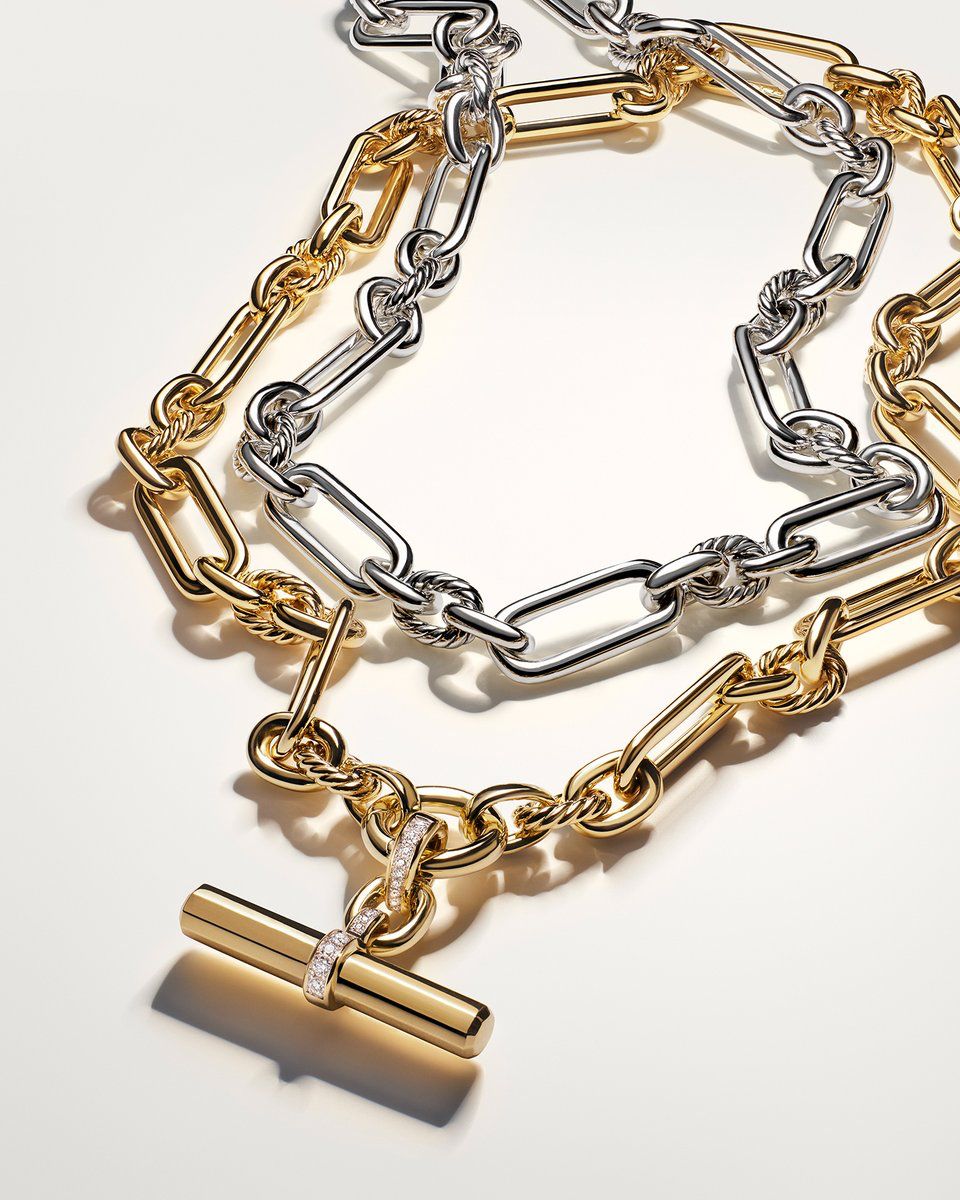
Stainless steel gives us durability, safety, and timelessness—the everyday staples that become part of your identity. It’s the metal for wedding bands, workwear rings, layered necklaces, and any piece you want to wear for years (or a lifetime).
Our best advice? Build a mixed collection: use zinc alloy for the “right now” trends, and invest in 316L stainless steel for the pieces you’ll love forever. This way, you get the best of both worlds—style that’s on-trend and built to last.
Happy shopping, and here’s to jewelry that fits your life (and never turns your skin green)!
Looking for high-quality stainless steel jewelry that’s built to last? Explore our curated collection of hypoallergenic, durable pieces—designed for your busy, stylish life.