?unique=f5ed45c)
For daily wear, durability, and modern low‑maintenance style
After years working with jewelry in showrooms and workshops, I hear the same question daily: What tarnishes faster—stainless steel or sterling silver? It’s a smart concern; no one wants a dull ring or blackened necklace after just weeks of wear.
The answer boils down to your lifestyle, daily habits, and the chemistry of each metal. As 2026 brings a huge shift toward lived‑in luxury—jewelry that looks great without constant care—understanding tarnish will help you shop smarter and save money long‑term.
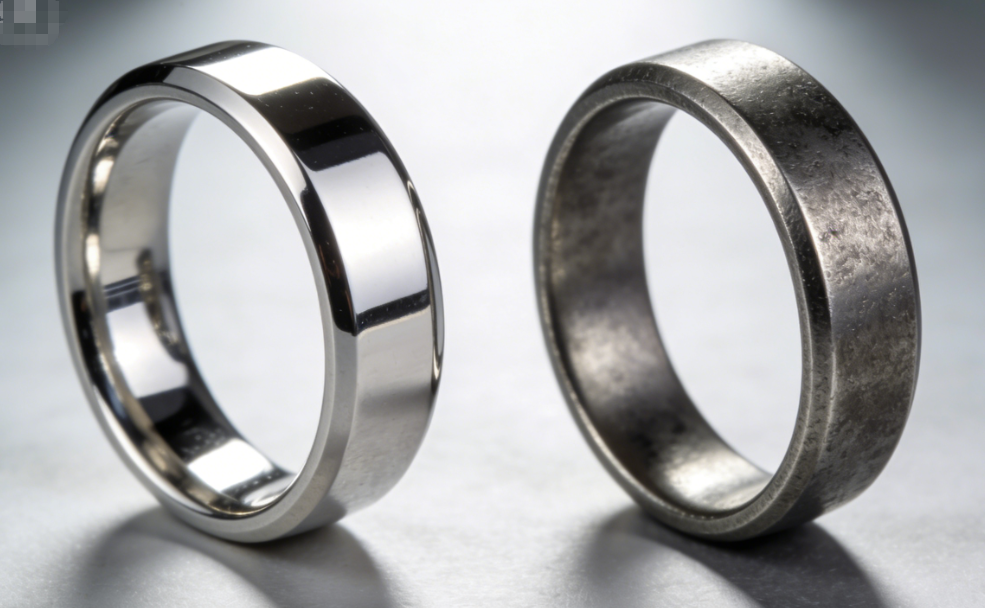
The Science of Tarnish: Why Metals Darken
Tarnish is a surface chemical reaction that forms a dark layer on metal when exposed to air, moisture, or sulfur.
- Sterling silver reacts with sulfur in air, sweat, and food to form silver sulfide, starting as a yellow haze and turning deep black over time.
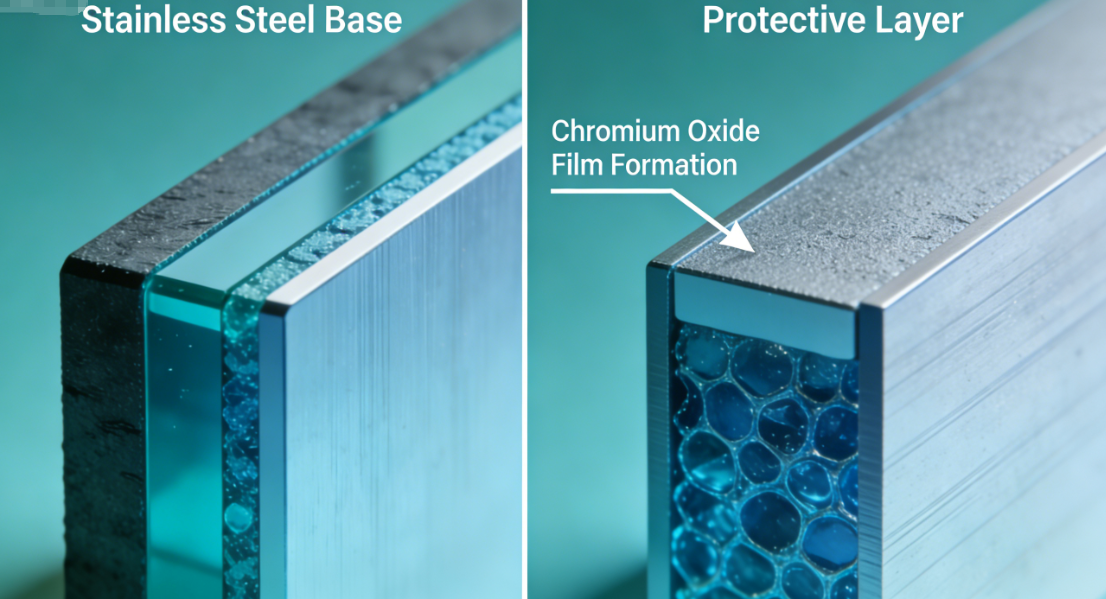
- Stainless steel uses a minimum of 10.5% chromium to form a self‑repairing passive oxide layer, blocking environmental reactions and staying bright.
Oxidation vs. Sulfuration: The Key Difference
Many mix up oxidation and sulfuration—here’s the clear distinction:
- Silver = sulfuration: Reacts strongly with sulfur, causing rapid darkening.
- Stainless steel = protective oxidation: Chromium forms an invisible, tight chromium oxide layer that heals itself when scratched, preventing tarnish entirely.
Environmental Tarnish Triggers
Humidity, pollution, and household sulfur sources (onions, eggs, rubber) speed up silver tarnish—often causing overnight darkening in damp weather. Stainless steel is nearly immune to these factors.
| Trigger | Sterling Silver | Stainless Steel | Effect |
|---|---|---|---|
| Humidity | High reaction | No reaction | Silver darkens fast |
| Sulfur / food | Rapid blackening | Immune | Major discoloration |
| Chlorine | Yellow tint | High resistance | Mild dulling |
| Saltwater | Pitting risk | 316L resists | Structural damage |
For anyone who cooks often, lives in a humid climate, or wants worry‑free wear, stainless steel is the clear choice.
Sterling Silver: The Tarnish‑Prone Classic
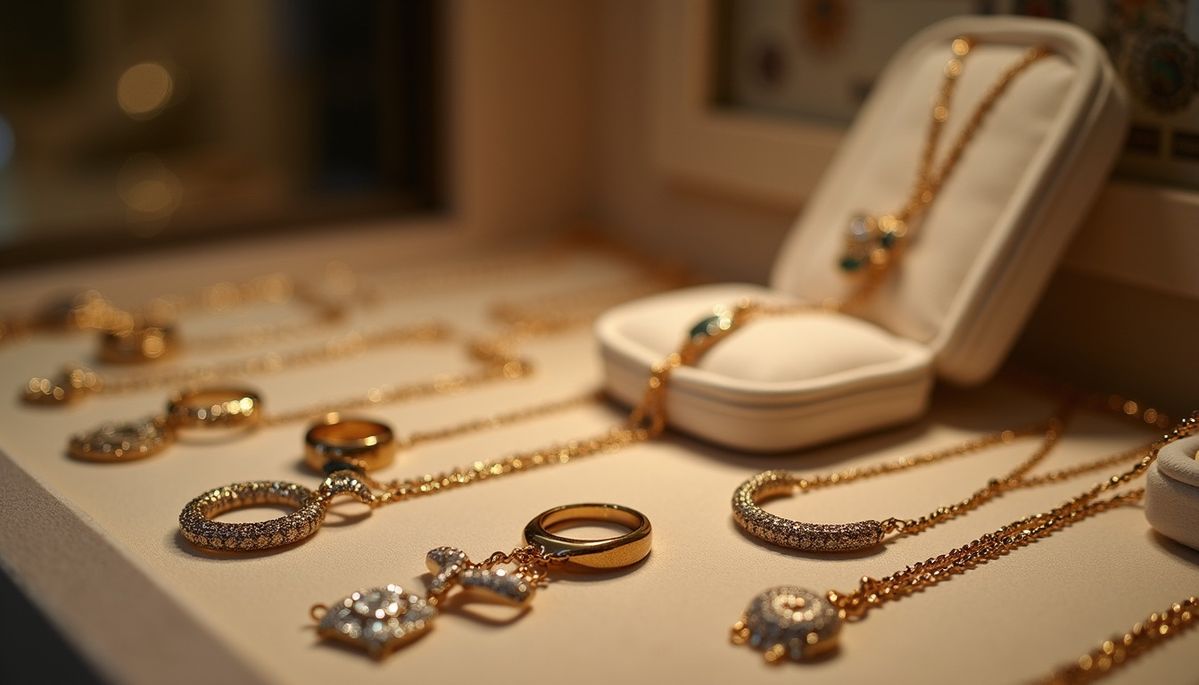
925 sterling silver (92.5% silver, 7.5% copper) offers timeless luxury but comes with a catch: copper is the weak link.
The reaction: 2Ag + H₂S → Ag₂S + H₂Silver sulfide forms quickly, starting with a pale yellow tint, moving to muddy brown, and finally full black. Tarnish seeps into crevices, requiring frequent polishing or professional cleaning.
While some love the vintage patina, maintaining a bright white finish means regular upkeep.
Stainless Steel: The Corrosion‑Resistant Workhorse
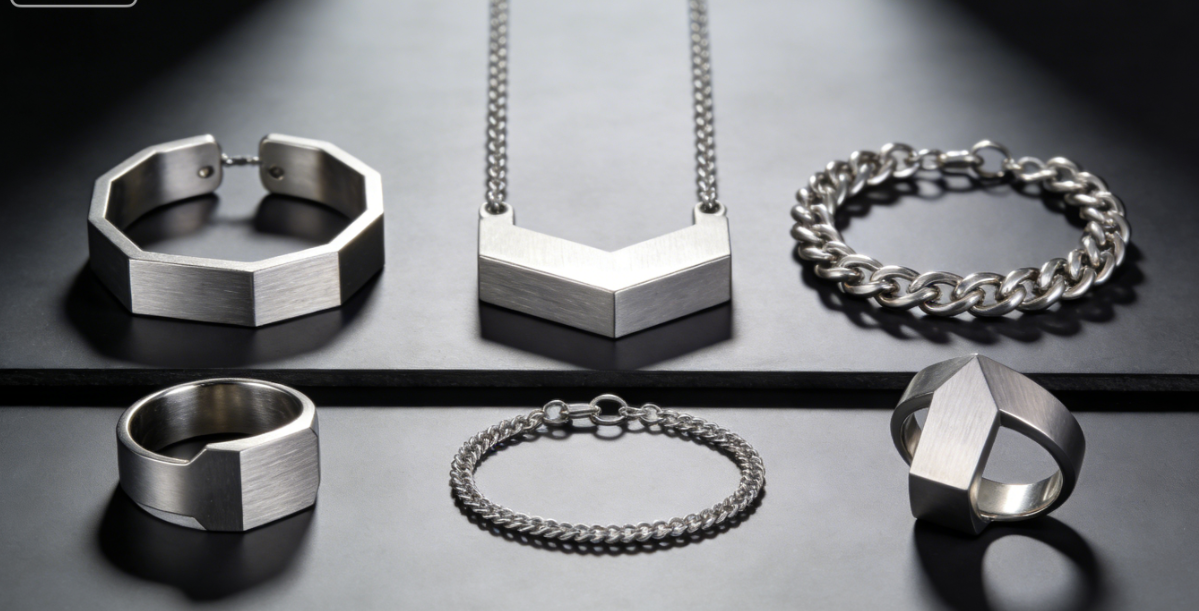
High‑grade stainless steel solves the frustration of fast tarnish with chemical stability. Our MCGA collection uses 316L surgical stainless steel, which adds molybdenum for superior pitting resistance—ideal for daily wear, water exposure, and sensitive skin.
This self‑healing chromium layer keeps jewelry bright for decades, even with showering, swimming, or sweating. Unlike cheap alloys, genuine 316L is hypoallergenic and won’t turn skin green.
Explore MCGA’s 316L stainless steel jewelry
2026 Trend: Industrial Minimalism & Permanent Jewelry
2026 market data shows a 15% rise in stainless steel demand, driven by the industrial minimalism trend and permanent jewelry—pieces designed to be worn nonstop.
Stainless steel’s high hardness and stiffness let designers create bold, chunky styles that hold shape and resist scratches, pairing perfectly with professional and casual wardrobes alike.
Always verify 316L grading to avoid low‑quality imitations that contain nickel or lead and irritate skin.
Head‑to‑Head: Tarnish Speed Winner
Sterling silver tarnishes drastically faster than stainless steel.
- Silver can show tarnish in days in humidity, sweat, or kitchens.
- 316L stainless steel stays bright in gyms, at the beach, and in daily storage.
| Environment | Sterling Silver | Stainless Steel | Winner |
|---|---|---|---|
| Gym / sweat | Fast blackening | No change | Steel |
| Beach / salt | Pitting risk | High resistance | Steel |
| Kitchen / sulfur | Rapid tarnish | Immune | Steel |
| Storage | Slow fading | Stays bright | Steel |
Minor note: Long‑term chlorine exposure may slightly dull steel, so rinse after pool use.
Practical Care: Keep Your Shine
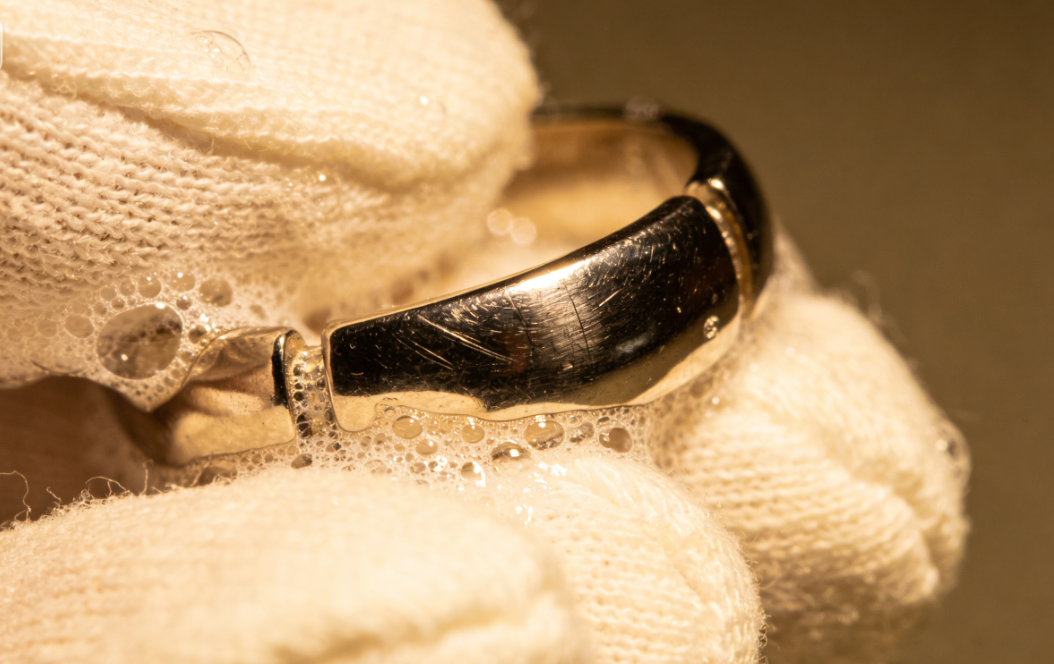
For Stainless Steel (2‑minute routine)
- Warm water + mild dish soap
- Soak 60 seconds
- Wipe with microfiber cloth
- Rinse and pat dry
Avoid abrasive cleaners like toothpaste—they scratch the finish.
For Sterling Silver
- Use a polishing cloth at the first sign of yellowing
- Store in airtight containers away from sulfur sources
- Deep clean professionally once fully blackened
| Cleaning Need | Tool | Frequency |
|---|---|---|
| Surface oils | Mild soap | Weekly |
| Daily grime | Warm water | After wear |
| Smudges | Microfiber | Monthly |
Buyer’s Guide: Cost, Skin, & Lifestyle
Choose 316L Stainless Steel if you:
- Hit the gym, swim, or live active
- Want set‑and‑forget low maintenance
- Prefer industrial minimalist style
- Have sensitive skin or nickel allergies
- Want affordable luxury with better cost‑per‑wear
Choose 925 Sterling Silver if you:
- Prefer formal, heirloom‑style pieces
- Enjoy polishing and don’t mind upkeep
- Want precious metal resale value
- Love the classic bright silver luster
Pro 2026 tip
Mix metals: Use stainless steel for high‑wear basics and silver for statement pieces. Store them separately to avoid galvanic corrosion.
Final Verdict
For 2026’s lived‑in luxury, 316L stainless steel is the best choice for most daily lifestyles. It’s durable, hypoallergenic, sustainable, and requires almost no care—jewelry that enhances your life, not adds chores.
Sterling silver remains beautiful for special occasions but needs consistent care to stay bright.
FAQ
Does 925 silver tarnish faster than silver plating?
925 silver tarnishes slower than thin silver plating, which wears off quickly and exposes base metals that discolor fast. Solid silver can be repolished; plating cannot.
Can I wear 316L stainless steel in seawater?
Yes—316L is marine‑grade and resists saltwater pitting. Always rinse with fresh water afterward to remove salt film.
Why does silver turn skin green?
Copper in 925 silver reacts with skin acids to form green copper carbonate. Stainless steel is copper‑free and nickel‑free, so it never causes discoloration.
Is surgical steel the same as 316L?
“Surgical steel” is a marketing term—316L is the specific low‑carbon, medical‑grade alloy trusted for jewelry and implants.
Do anti‑tarnish coatings work?
Rhodium plating on silver prevents tarnish for 6–12 months but wears off and requires re‑plating. Stainless steel needs no coating.
Discover MCGA’s full range of tarnish‑free 316L stainless steel jewelry, designed for modern everyday luxury.