Intro
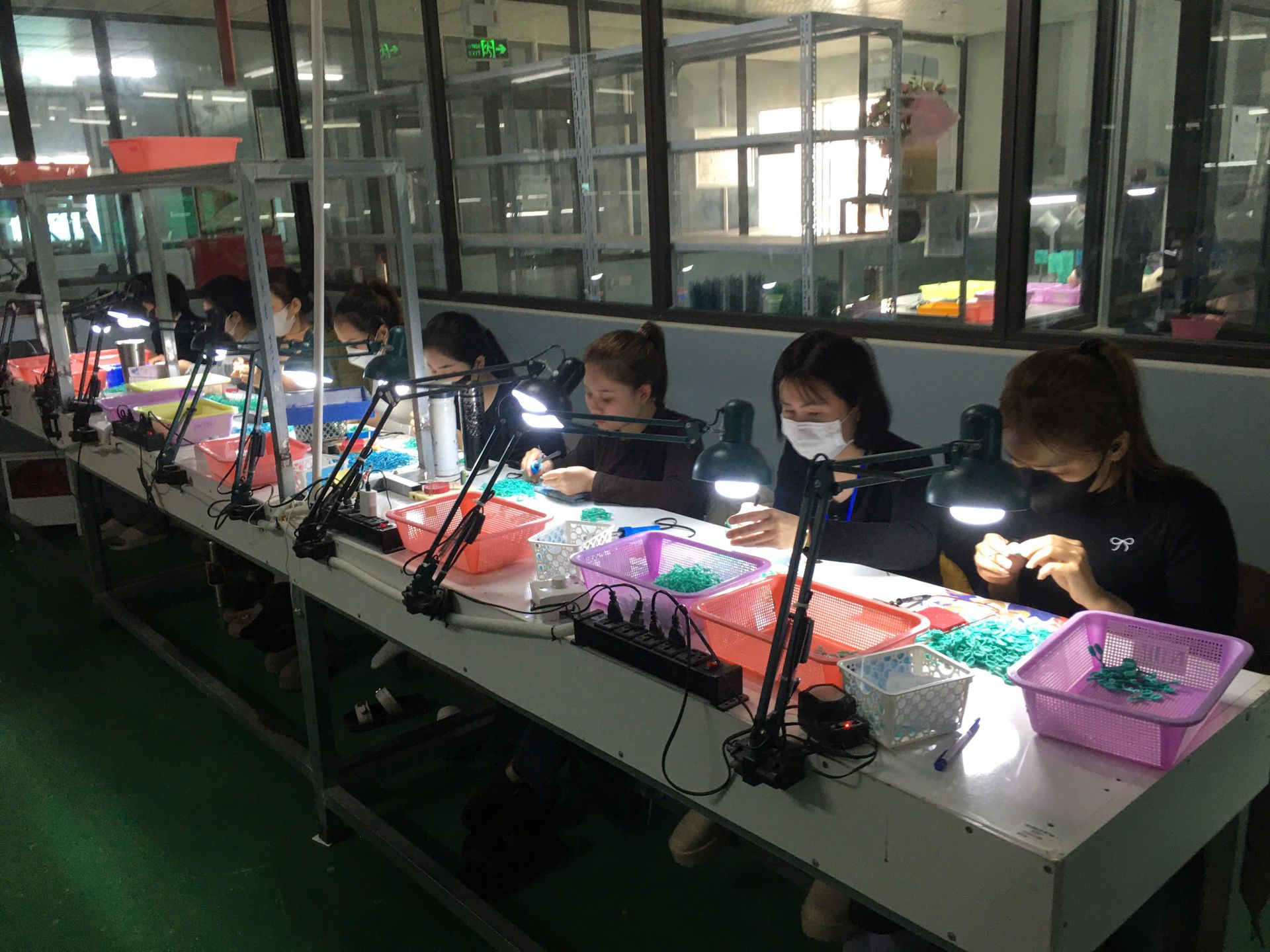
Have you ever wondered how a jewelry design becomes a finished product ready for your brand?
The jewelry manufacturing process involves much more than shaping metal and setting stones. It requires careful planning, material selection, precision engineering, skilled craftsmanship, and strict quality control.
For jewelry brands, retailers, and designers, understanding how jewelry is made can help you communicate more effectively with a jewelry manufacturer, evaluate product quality, and make better decisions when developing a new collection.
At MCGA Jewelry, we provide custom jewelry manufacturing and OEM/ODM jewelry services for B2B customers. Our manufacturing capabilities cover multiple materials, including 316L stainless steel, brass, and 925 sterling silver, with processes ranging from product development and casting to polishing, plating, stone setting, inspection, and packaging.
In this guide, we walk through the key stages of the jewelry production process, from the initial concept to the final inspection.
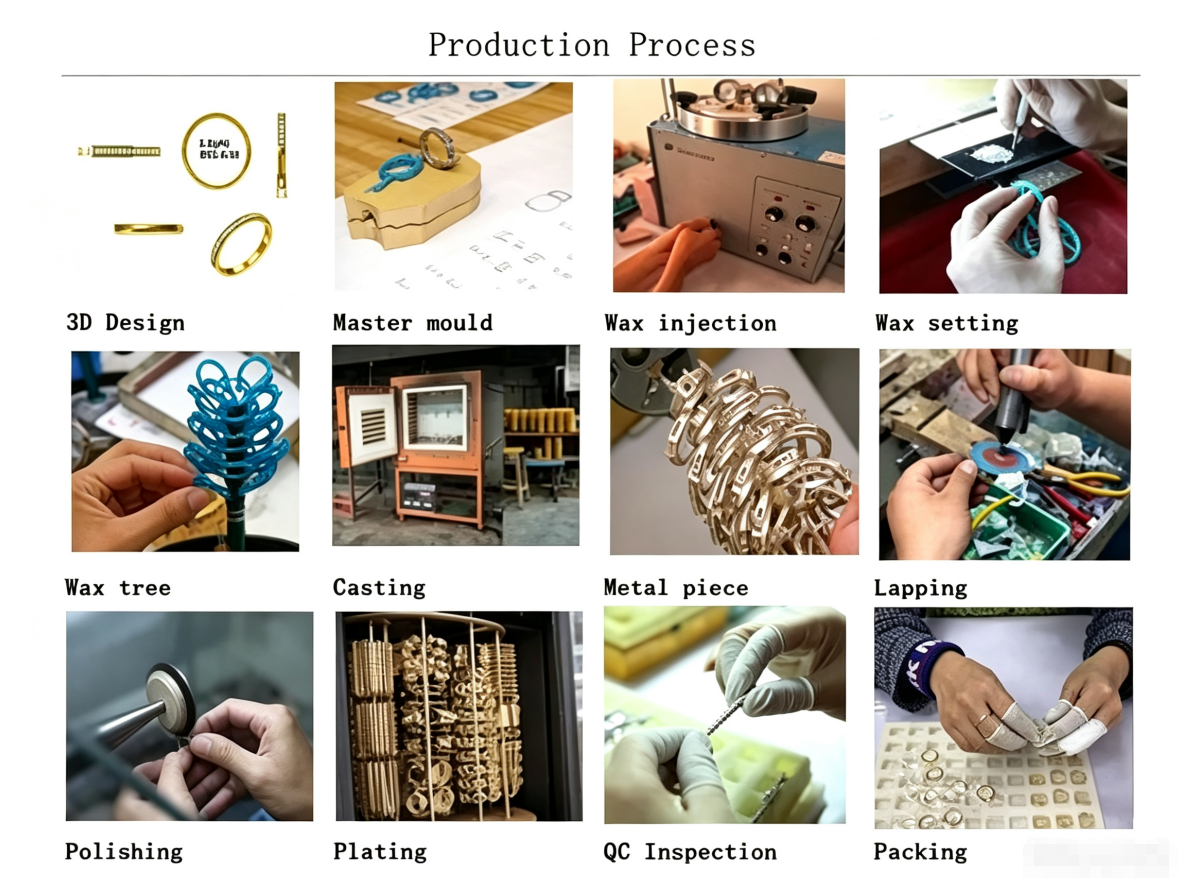
1. Design and Product Development
Every successful jewelry collection starts with a clear design concept.
Designers may begin with hand-drawn sketches, reference images, technical drawings, or digital models. For professional custom jewelry manufacturing, the concept must also be translated into technical specifications that can be used for sampling and mass production.
CAD (Computer-Aided Design) helps manufacturers evaluate dimensions, proportions, stone positions, structural details, and assembly requirements before production begins.
Important considerations include:
Jewelry type, such as rings, earrings, necklaces, and bracelets.
Design style, including minimalist, contemporary, vintage, or statement jewelry.
Dimensions, weight, and wearing comfort.
Stone sizes, setting methods, and surface finishes.
Target production quantity and cost requirements.
A well-prepared design or tech pack helps reduce misunderstandings during sampling and production.
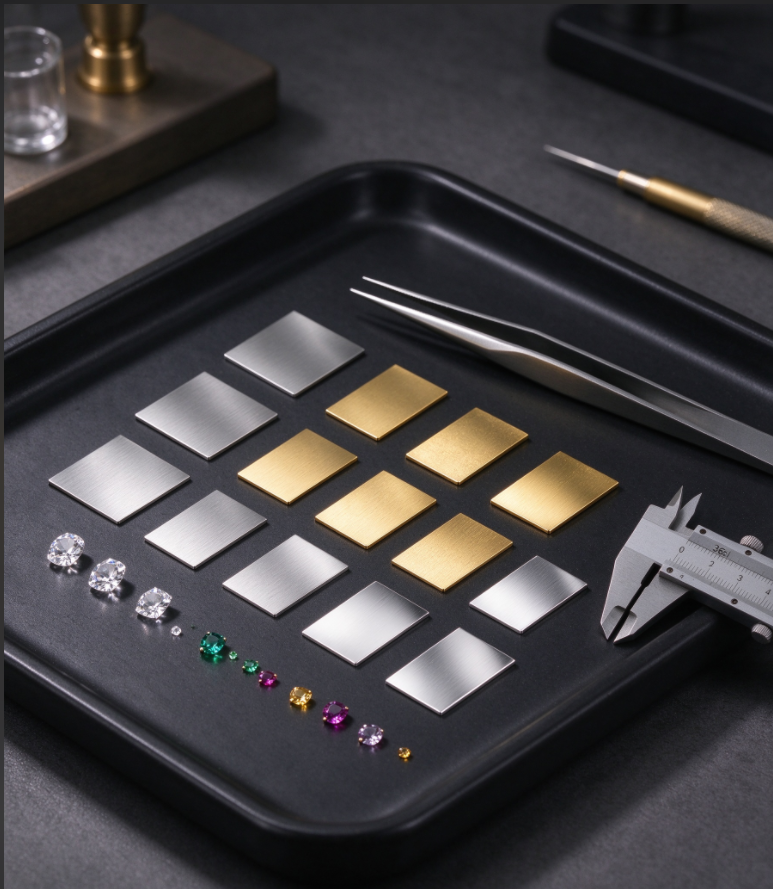
2. Choosing the Right Jewelry Materials
Material selection affects a product's appearance, durability, manufacturing requirements, and overall cost.
A professional jewelry manufacturer should help brands select materials that match their design, target market, and budget.
Common materials used in fashion and custom jewelry include:
316L Stainless Steel: Suitable for many everyday jewelry designs and known for its corrosion resistance.
Brass: A versatile material for fashion jewelry, detailed designs, and a wide range of plated finishes.
925 Sterling Silver: A precious metal commonly used for premium jewelry collections and detailed craftsmanship.
Gemstones and Cubic Zirconia: Used to add color, brilliance, and decorative detail.
Each material has different manufacturing and finishing requirements. For example, stainless steel may require specialized machining and finishing processes, while brass and sterling silver may use different polishing and plating procedures.
The best choice depends on the intended design, performance requirements, target retail price, and brand positioning.
3. Jewelry Forming and Manufacturing Techniques
Once the design and materials are confirmed, the manufacturing team selects suitable production methods.
Different techniques are used depending on the jewelry structure, material, level of detail, and order quantity.
Common jewelry manufacturing techniques include:
Casting: Suitable for many three-dimensional designs, including rings, pendants, and decorative components.
CNC Machining: Creates precise dimensions and detailed features through computer-controlled machining.
Stamping and Pressing: Often used for repeatable shapes and components made from sheet metal.
Welding and Assembly: Connects jewelry components and creates functional structures.
3D Printing: Supports prototyping and the development of complex designs, depending on the material and production method.
Not every product requires every process. A reliable manufacturing partner evaluates the design and selects the most appropriate combination of techniques.
4. Wax Modeling and Casting
Lost-wax casting is a widely used method for producing detailed metal jewelry.
The process typically includes the following steps:
Model Creation: A wax model or suitable pattern is prepared from the approved design.
Investment: The pattern is surrounded by a heat-resistant investment material.
Burnout: The mold is heated to remove the wax and create a cavity.
Metal Casting: Molten metal is introduced into the prepared mold.
Cooling and Mold Removal: The metal solidifies, and the casting is removed.
Initial Finishing: Excess material is removed before further processing.
Casting can reproduce complex shapes and detailed features, but the final quality also depends on mold design, material control, and subsequent finishing.
For brands developing custom rings, pendants, and other three-dimensional jewelry, casting can be an important part of the custom jewelry production process.
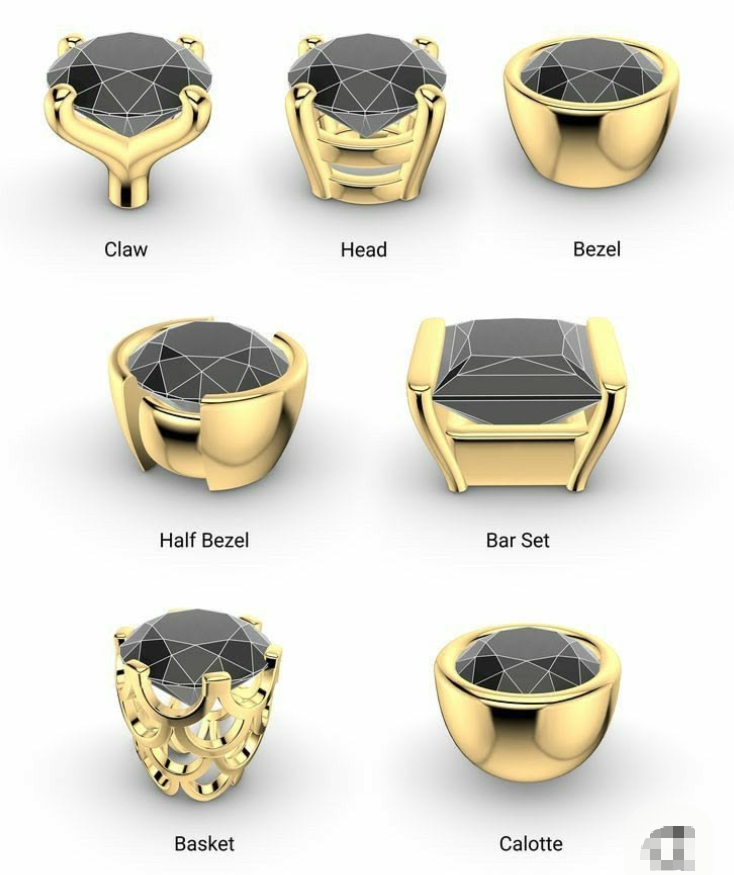
5. Gemstone Setting
For jewelry designs featuring gemstones or decorative stones, setting is a critical stage.
The setting method affects the appearance of the jewelry, the security of the stones, and the overall design.
Common gemstone setting techniques include:
Prong Setting: Small metal prongs hold the stone in place while allowing light to enter from multiple directions.
Bezel Setting: A metal rim surrounds the stone, creating a clean appearance and additional protection around its edges.
Pavé Setting: Multiple small stones are set closely together to create a continuous sparkling surface.
Channel Setting: Stones are secured within a channel formed by metal walls.
Flush Setting: A stone is set into a prepared recess so that it sits close to the metal surface.
The appropriate technique depends on stone size, jewelry design, metal structure, and intended use.
Careful setting and inspection help reduce loose stones and maintain consistent product quality.
6. Polishing and Surface Finishing
After forming, jewelry components often require polishing and other surface treatments to achieve the intended appearance.
Jewelry polishing and finishing can significantly influence the perceived quality of the final product.
Common finishes include:
High Polish: Creates a smooth, reflective surface.
Brushed Finish: Produces directional lines and a subtle texture.
Matte Finish: Reduces reflection for a softer, understated appearance.
Sandblasted Finish: Creates a fine, textured surface.
Textured Finish: Adds distinctive patterns or visual depth.
Depending on the design, manufacturers may combine several finishes in one piece to create contrast between different surfaces.
Precision finishing is especially important around stone settings, edges, joints, and areas that come into contact with the skin.
7. Plating and Surface Coloring
Surface treatment helps achieve the desired jewelry color, appearance, and performance characteristics.
Depending on the base material and product requirements, manufacturers may use PVD coating or electroplating.
PVD is commonly used for suitable stainless steel jewelry designs, while electroplating is used on compatible substrates such as brass and sterling silver.
The choice of process depends on the base material, coating specification, product design, and intended application.
When developing gold-tone jewelry, brands should discuss the following with their manufacturing partner:
Desired color and color consistency.
Base material and surface preparation.
Coating type and specified thickness.
Adhesion and wear-resistance requirements.
Applicable inspection and testing standards.
It is important to evaluate the complete product and its intended use rather than assuming that every coating provides the same performance.
8. Quality Control and Final Inspection
Quality control is essential to consistent jewelry manufacturing.
Before products are approved for shipment, manufacturers should inspect them against agreed specifications and quality requirements.
Depending on the product, inspection may include:
Dimensions and Weight: Checking whether products meet approved specifications.
Surface Quality: Identifying scratches, dents, uneven polishing, or visible plating defects.
Stone Security: Checking the stability and positioning of gemstones.
Assembly and Function: Testing clasps, hinges, chains, and other functional components.
Color Consistency: Comparing finished products against approved samples.
Product-Specific Testing: Conducting relevant coating, corrosion, or material tests when required.
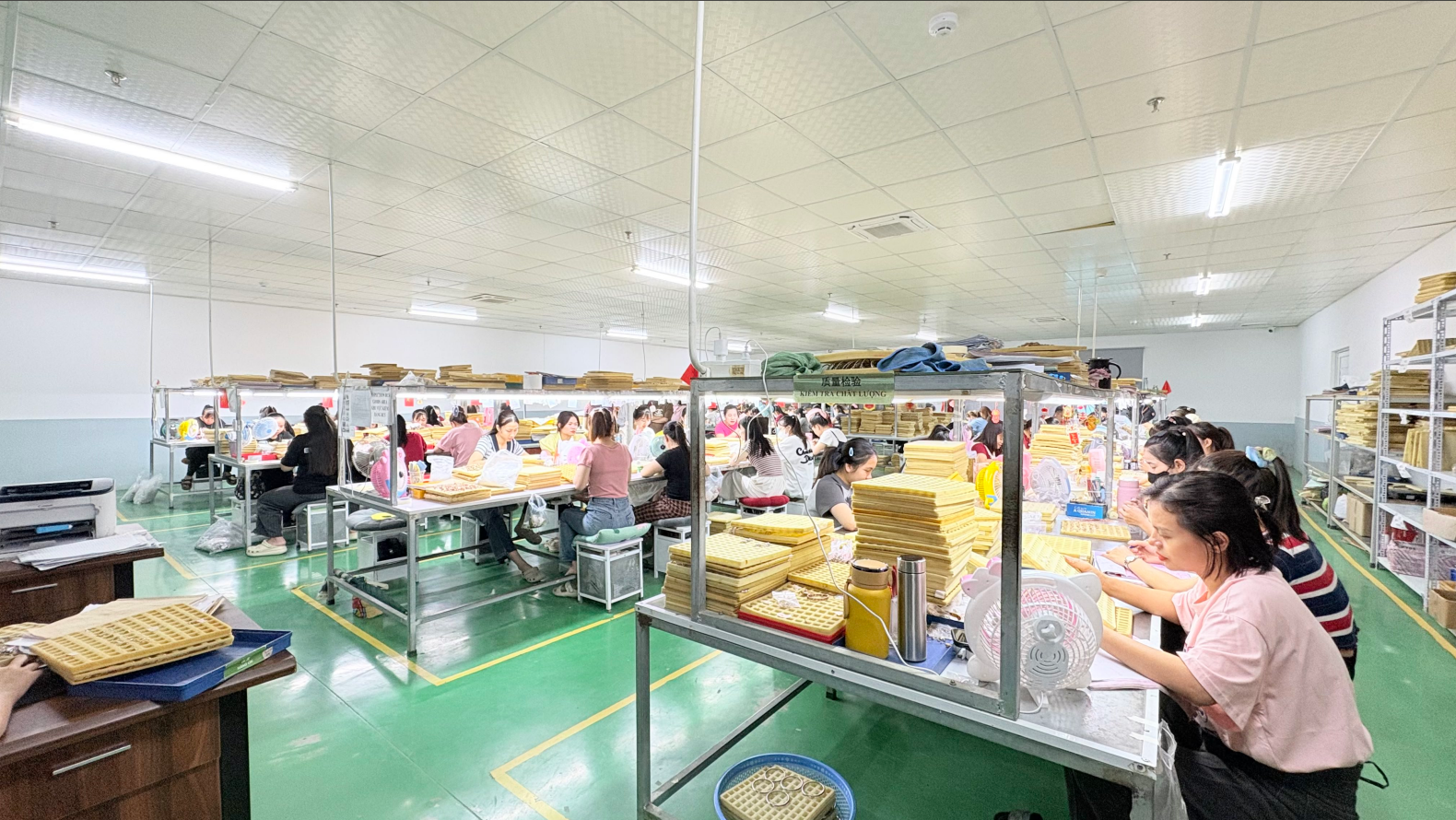
For B2B buyers, clearly documented specifications and an approved pre-production sample can help establish a consistent quality standard before bulk production begins.
At MCGA Jewelry, quality inspection forms an important part of our manufacturing workflow, helping us work toward reliable and repeatable production results.
9. Packaging and Delivery
The final stage prepares jewelry for shipment and sale.
Depending on the project, custom jewelry packaging may include individual bags, jewelry boxes, labels, barcodes, branded cards, and other presentation materials.
For OEM/ODM projects, brands should confirm packaging specifications early in the development process. This helps coordinate product dimensions, labeling requirements, branding details, and shipping arrangements.
A clear production plan also helps align sampling, bulk manufacturing, inspection, and packaging schedules.
Comparison Table: Key Stages of the Jewelry Manufacturing Process
| Manufacturing Stage | Main Process | Purpose |
|---|---|---|
| 1. Design & Development | Sketching, CAD modeling, 3D prototyping | Turn ideas into production-ready designs |
| 2. Material Selection | Stainless steel, brass, 925 sterling silver | Balance appearance, durability, and cost |
| 3. Forming & Manufacturing | Casting, CNC machining, stamping, welding | Create the main jewelry structure |
| 4. Stone Setting | Prong, bezel, pavé, and other settings | Secure gemstones and decorative elements |
| 5. Polishing & Surface Treatment | Hand polishing, brushing, sandblasting | Refine the surface and achieve the desired finish |
| 6. Plating & Coloring | PVD coating and electroplating | Create different colors and surface appearances |
| 7. Quality Control | Dimensional, visual, and functional inspection | Check product consistency and workmanship |
| 8. Packaging & Delivery | Assembly, labeling, and packaging | Prepare products for shipment and retail |
10. Modern Technology in Jewelry Manufacturing
Modern jewelry manufacturing technology combines digital tools with traditional craftsmanship to improve design development and production precision.
Key technologies include:
3D Modeling and Printing: Support design visualization, prototyping, and pattern development.
CNC Machining: Helps produce precise features and repeatable components.
Laser Marking and Engraving: Enables logos, text, and decorative details.
Digital Design Tools: Help manufacturers review dimensions and identify potential production challenges before making samples.
Technology does not replace skilled craftsmanship. Instead, it works alongside experienced technicians to support more consistent production and better control over complex details.
11. How to Choose the Right Jewelry Manufacturing Partner
Choosing a suitable jewelry manufacturer is an important decision for any growing jewelry brand.
Beyond the unit price, B2B buyers should evaluate the manufacturer's ability to understand the design, manage samples, maintain quality, and support production as the business grows.
Consider these factors:
Material Capabilities: Can the manufacturer work with the materials required for your collection?
Technical Expertise: Does the team understand casting, machining, welding, finishing, and stone setting where needed?
Sampling and Development: Can the manufacturer turn design references and technical specifications into workable samples?
Quality Management: Are inspection criteria and product specifications clearly defined?
OEM/ODM Services: Can the supplier support custom designs, logos, surface treatments, and packaging?
Communication and Production Planning: Are quotations, sample revisions, lead times, and order requirements clearly communicated?
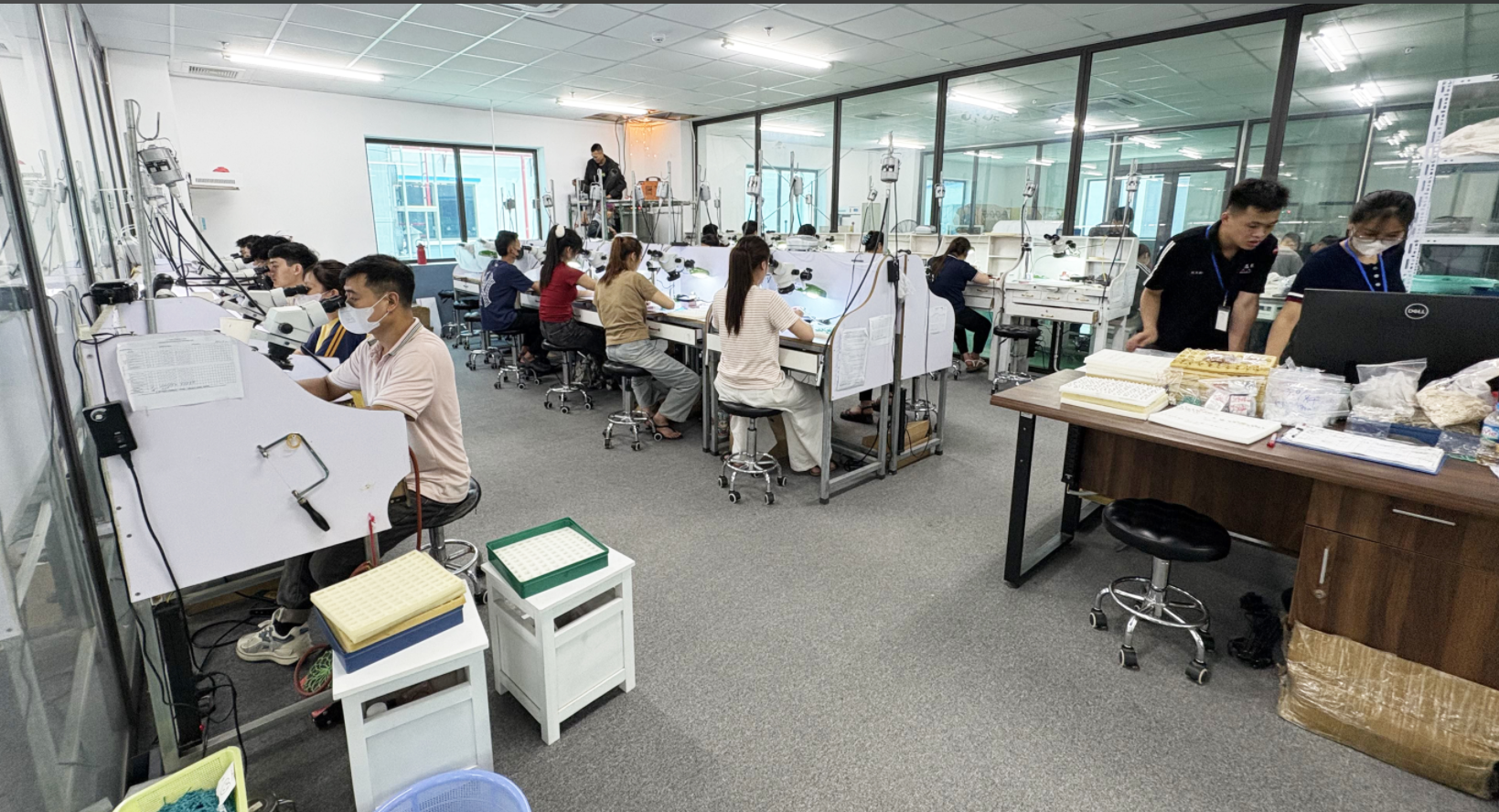
The right partner should offer more than manufacturing capacity. They should understand your product requirements and help translate your ideas into production-ready jewelry.
Conclusion: Turning Jewelry Ideas into Finished Products
From initial sketches and material selection to casting, stone setting, polishing, plating, quality inspection, and packaging, every stage contributes to the final jewelry piece.
Understanding the jewelry manufacturing process helps brands make informed decisions, communicate more effectively with suppliers, and develop collections that meet their design and quality expectations.
At MCGA Jewelry, we support B2B customers with custom jewelry manufacturing and OEM/ODM services, working with materials such as 316L stainless steel, brass, and 925 sterling silver.
Whether you are launching a new collection or expanding an existing product line, choosing a manufacturing partner with the right technical capabilities and production workflow is an important step toward long-term growth.
Looking for a Reliable Jewelry Manufacturer for Your Next Collection?
MCGA Jewelry supports jewelry brands, retailers, and designers with custom product development, sampling, manufacturing, surface finishing, quality inspection, and packaging.
Share your design references, target materials, estimated order quantity, and customization requirements with our team.
📩Contact MCGA Jewelry to discuss your OEM/ODM jewelry project and request a manufacturing quotation.