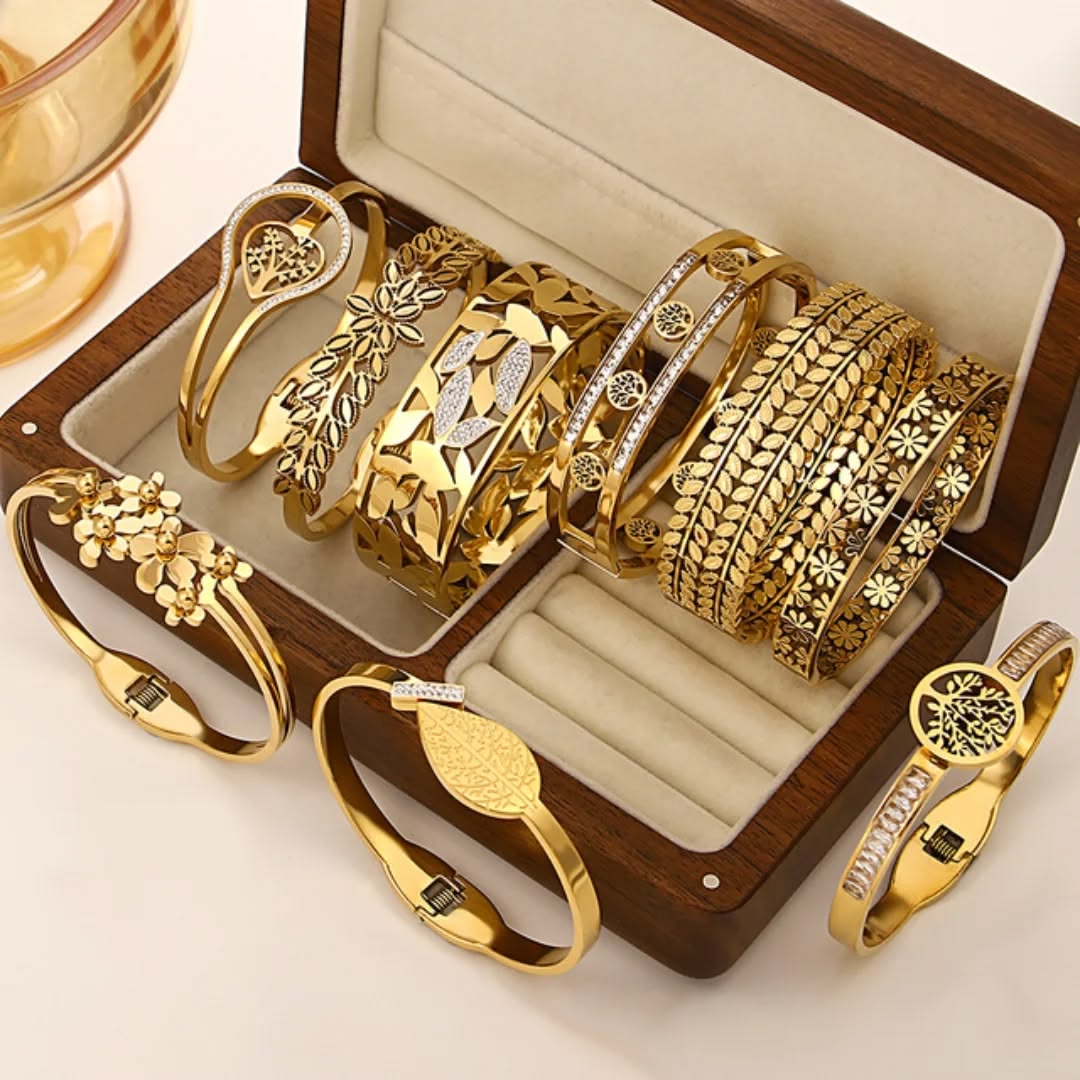
Behind every beautifully crafted ring, pendant, earring, or bracelet lies an important manufacturing decision: selecting the right material.
For decades, brass has remained one of the most trusted materials in jewelry production. From luxury-inspired fashion jewelry to custom designer collections, brass casting jewelry continues to dominate the industry because of its exceptional balance of beauty, precision, durability, and affordability.
Whether you're a jewelry startup launching your first collection or an established brand looking to scale production, understanding why brass performs so well in casting can help you make smarter manufacturing decisions.
In this guide, we'll explore why brass has become the material of choice for many leading jewelry brands and professional jewelry casting manufacturers around the world.
What Is Jewelry Casting?
Jewelry casting is a manufacturing process that transforms a design into a finished metal piece using a mold.
The most common method is lost-wax casting, which allows manufacturers to create highly detailed jewelry with excellent consistency.
The process typically includes:
Creating a wax model
Building an investment mold
Melting metal and pouring it into the mold
Cooling and removing the casting
Polishing, plating, and finishing
The success of this process depends heavily on the material being cast.
This is where brass excels.
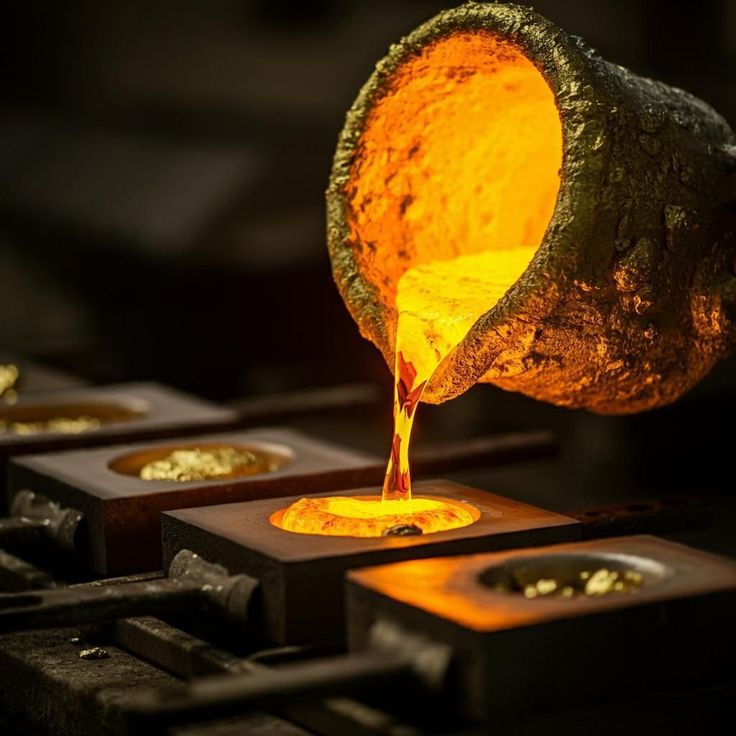
Why Brass Performs So Well in Jewelry Casting
Excellent Flow During Casting
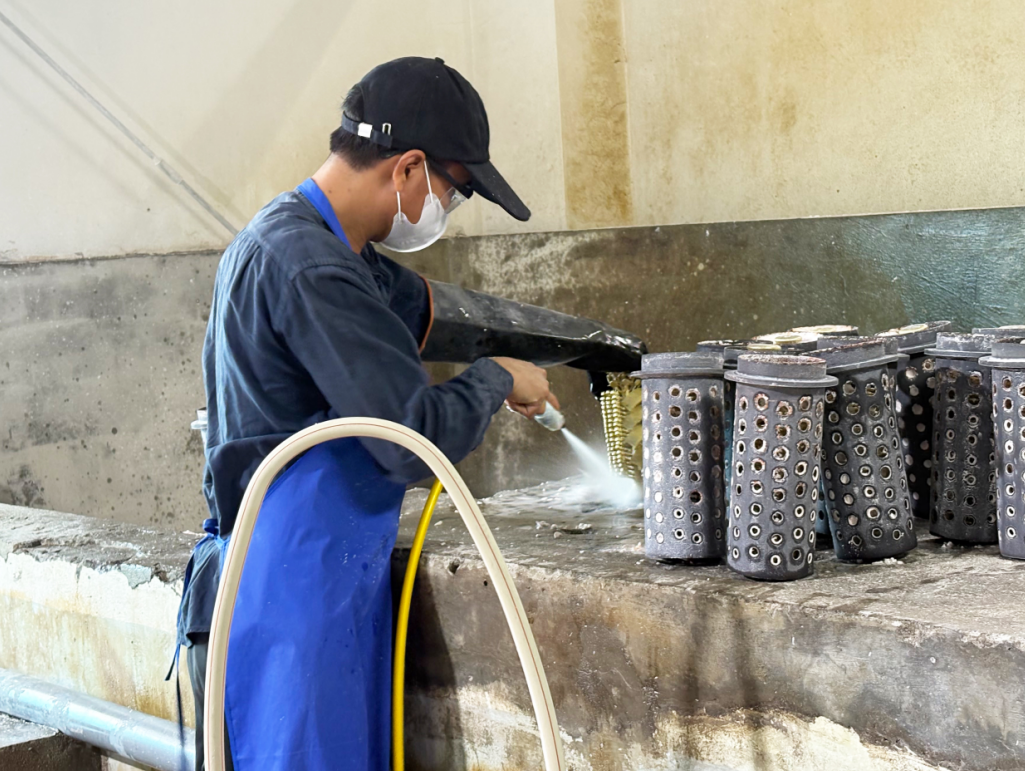
One of the biggest advantages of brass is its ability to flow smoothly into intricate mold cavities.
This allows manufacturers to reproduce:
Fine textures
Detailed engravings
Filigree patterns
Geometric structures
Complex custom designs
The result is higher accuracy and cleaner details compared to many alternative materials.
For brands focusing on premium aesthetics, this level of precision is essential.
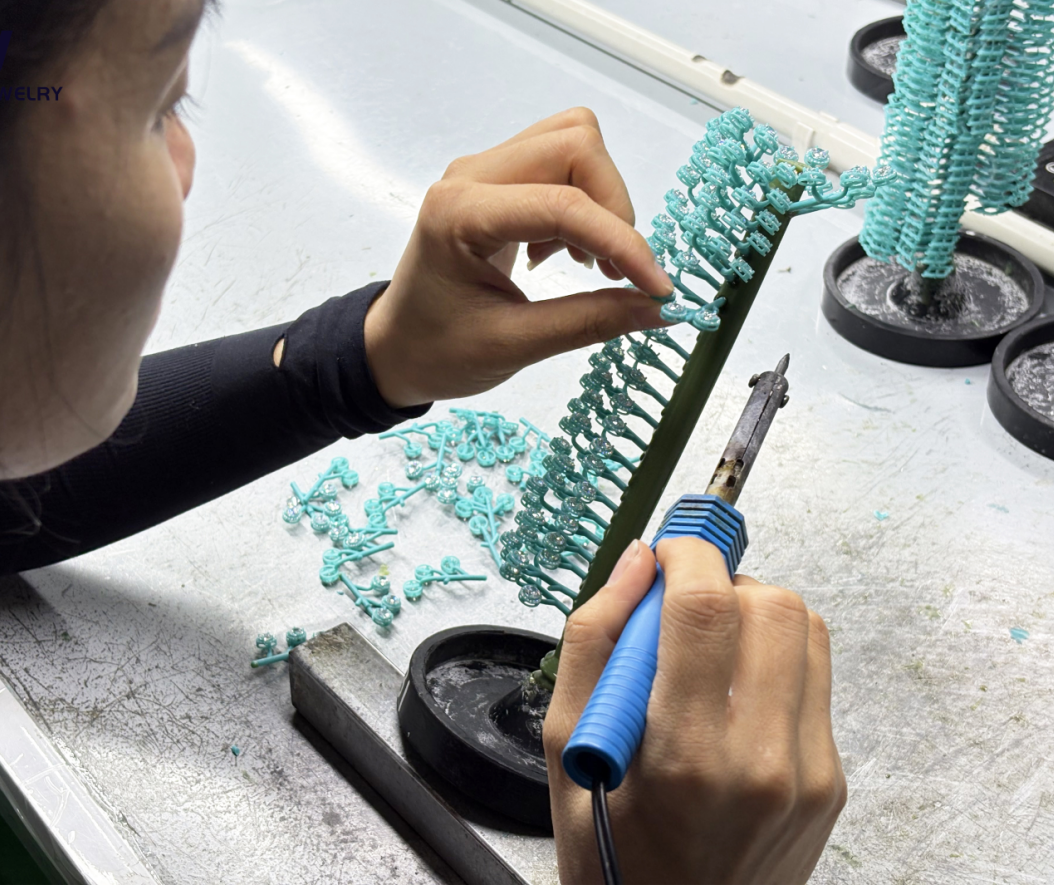
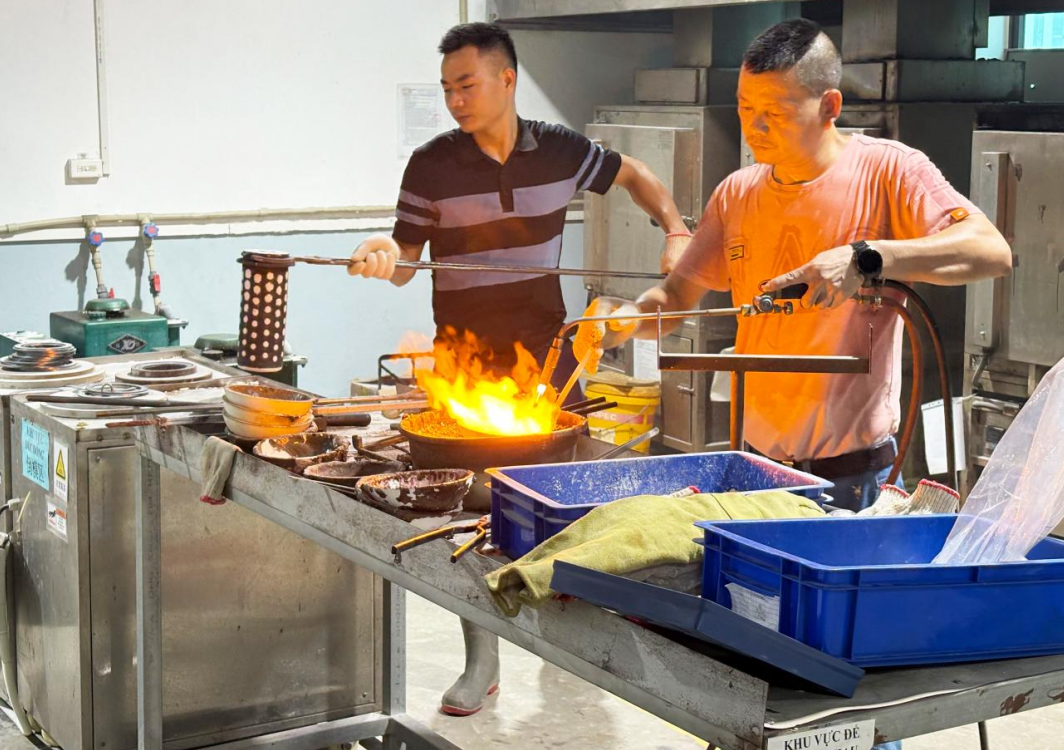
Superior Detail Reproduction
Modern consumers increasingly demand unique and sophisticated jewelry designs.
Brass captures small design elements exceptionally well, making it ideal for:
Vintage-inspired jewelry
Custom logo jewelry
Statement rings
Charm collections
Designer pendants
A professional jewelry casting manufacturer can achieve remarkable detail using brass without significantly increasing production costs.
Comparison Table
| Feature | Brass | Stainless Steel | Zinc Alloy | Sterling Silver |
|---|---|---|---|---|
| Casting Precision | Excellent | Moderate | Good | Excellent |
| Detail Reproduction | Excellent | Moderate | Good | Excellent |
| Production Cost | Affordable | Moderate | Low | High |
| Design Flexibility | Excellent | Limited | Good | Excellent |
| Polishing Performance | Excellent | Good | Moderate | Excellent |
| Gold Plating Compatibility | Excellent | Good | Moderate | Excellent |
| Luxury Appearance | High | Medium | Medium | High |
Ideal for Complex Jewelry Designs
As jewelry trends evolve, consumers increasingly prefer unique pieces over simple mass-produced products.
Brass enables manufacturers to create:
Intricate Floral Patterns
Brass easily captures organic shapes and delicate botanical details.
Personalized Jewelry
Custom names, initials, symbols, and logos can be reproduced with impressive clarity.
Sculptural Designs
Modern artistic jewelry often includes complex structures that require precise casting performance.
Vintage and Antique Styles
Brass naturally complements vintage aesthetics while preserving intricate decorative details.
This flexibility makes brass casting jewelry a favorite among designers worldwide.
Cost Efficiency Without Sacrificing Quality
Material cost plays a significant role in jewelry manufacturing.
Compared to precious metals like sterling silver and gold, brass offers substantial cost savings while maintaining a premium appearance.
Benefits include:
Lower material investment
Better profit margins
Easier product testing
More competitive retail pricing
Greater flexibility for growing brands
This is one reason many direct-to-consumer jewelry brands choose brass for their core collections.
Excellent Compatibility with Gold Plating
Many consumers assume luxury jewelry is made entirely from precious metals.
In reality, a large percentage of premium fashion jewelry starts with a brass base.
Brass works exceptionally well with:
18K Gold Plating
24K Gold Plating
Rhodium Plating
Silver Plating
PVD Finishes
Its smooth surface allows plating layers to adhere more effectively, creating a refined and durable finish.
For brands seeking luxury aesthetics at accessible price points, brass remains one of the best options available.
Easier Polishing and Finishing
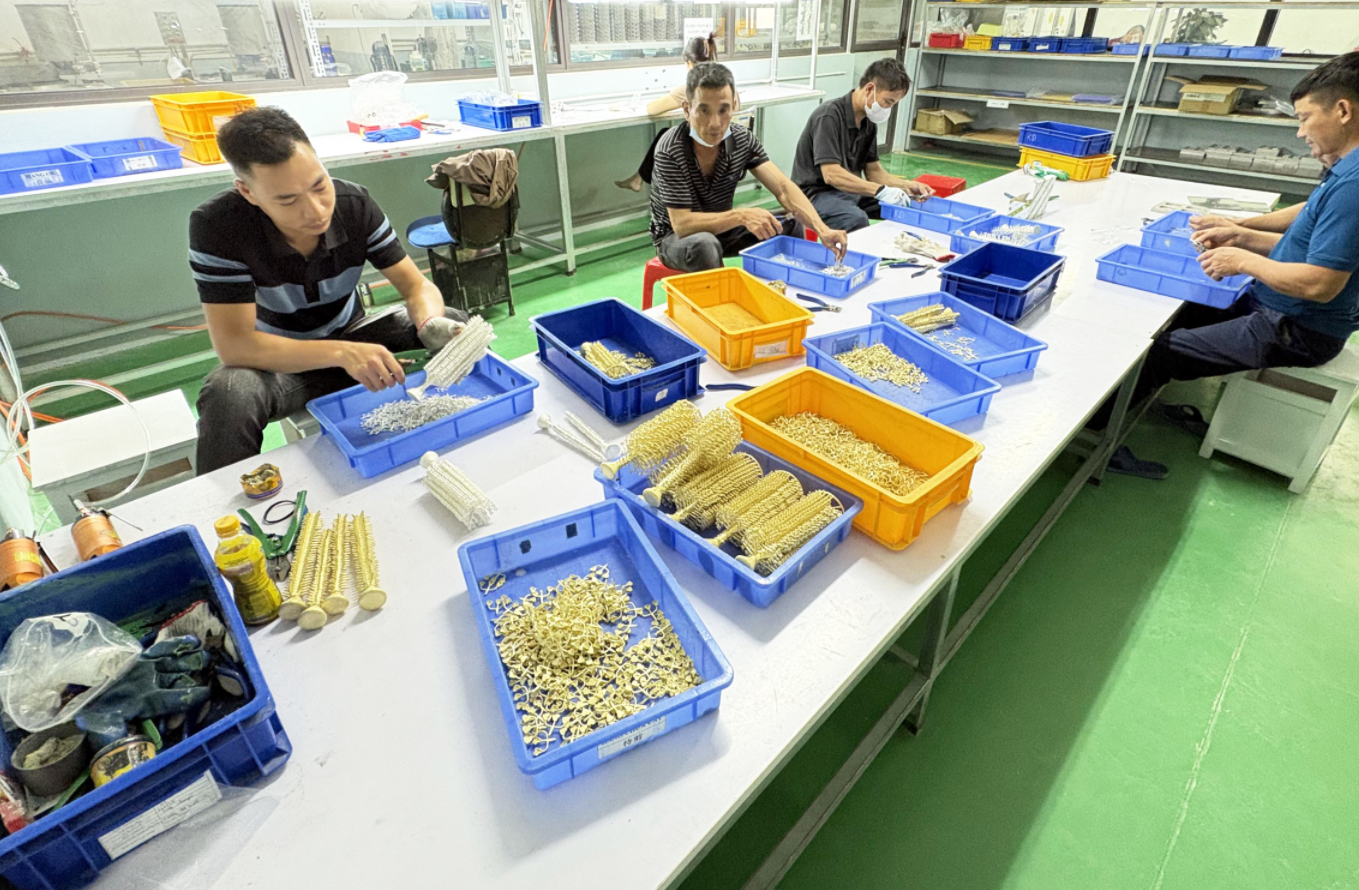
After casting, jewelry pieces require finishing processes to achieve their final appearance.
Brass responds exceptionally well to:
Mirror polishing
Satin finishing
Brushed textures
Antique treatments
Matte finishes
This versatility allows brands to create diverse collections without changing materials.
Consistent Quality for Large Production Runs
Scalability is critical for successful jewelry businesses.
Brass offers excellent consistency during mass production because:
It casts reliably
It maintains dimensional accuracy
It minimizes defects
It supports repeatable manufacturing