Does sterling silver tarnish in water? Can you shower or swim while wearing silver jewelry?
These are common questions for jewelry brands, retailers, and consumers.
The short answer is: 925 sterling silver can come into contact with water, but prolonged exposure to moisture, chemicals, chlorine, salt, and other environmental factors can accelerate tarnishing.
For jewelry brands, understanding how sterling silver reacts to different environments is important when choosing materials, finishes, and care instructions for a new collection.
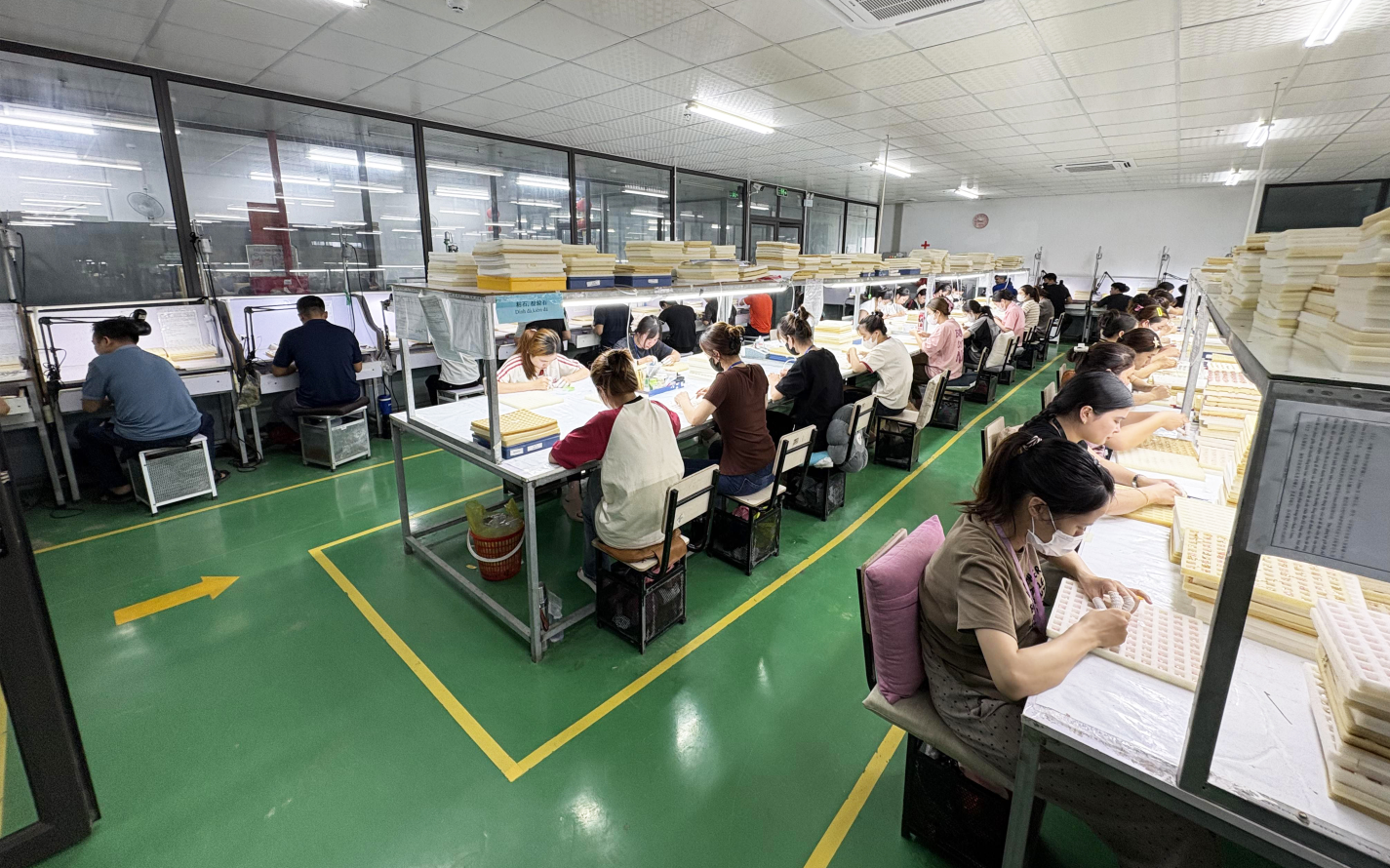
At MCGA Jewelry, we manufacture custom jewelry in stainless steel, brass, sterling silver, and other materials, supporting brands with OEM and ODM development from design and sampling to bulk production.
What Is 925 Sterling Silver?
Before discussing water exposure, it is important to understand what sterling silver is.
Pure silver is relatively soft, which makes it difficult to use for many jewelry designs that require strength and durability.
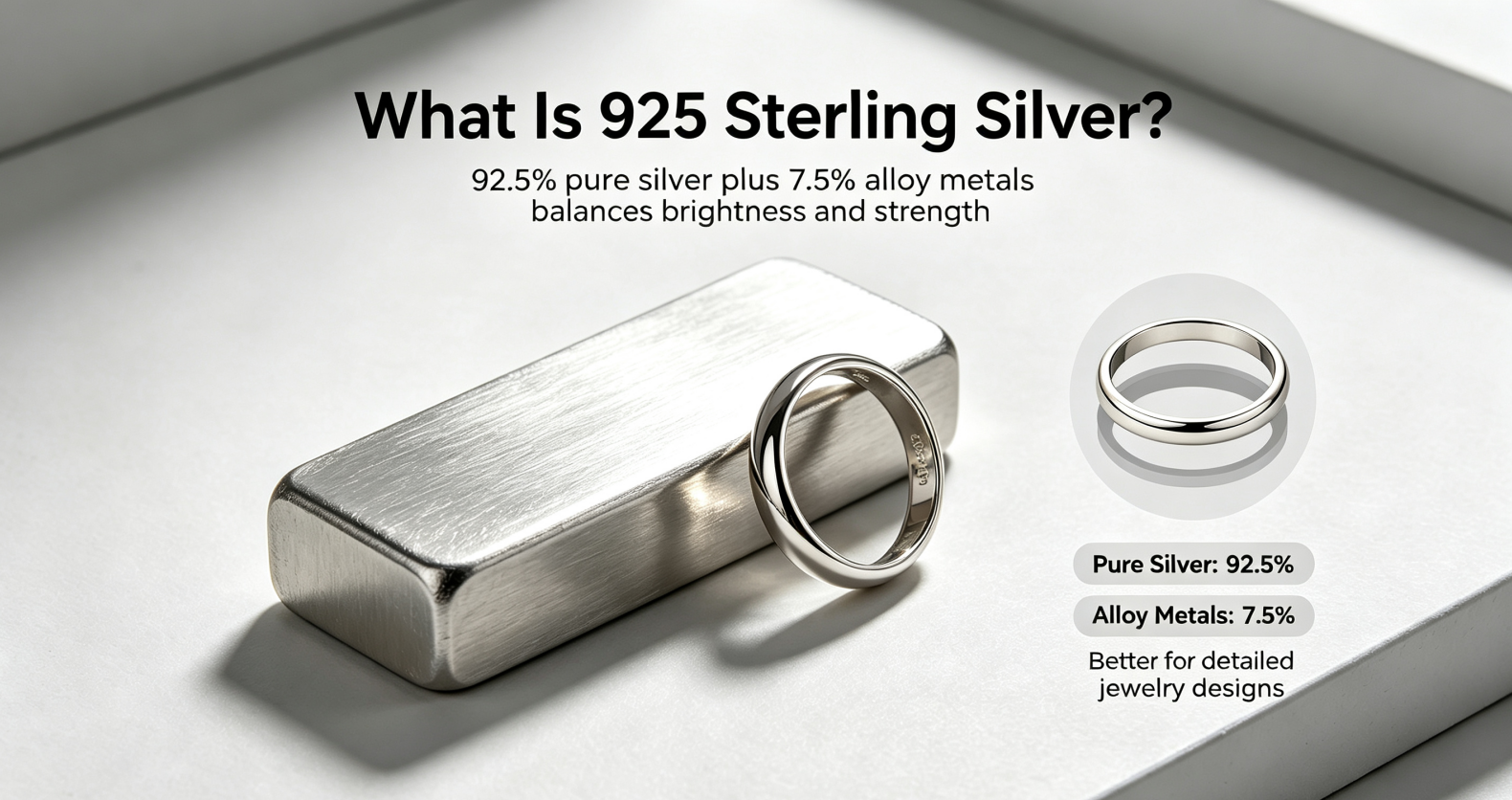
925 sterling silver contains 92.5% pure silver and 7.5% other alloying metals, commonly copper. This combination improves hardness and makes the material more suitable for rings, earrings, necklaces, bracelets, pendants, and other jewelry designs.
For jewelry brands, 925 silver offers several advantages:
Premium precious-metal positioning
Bright and elegant appearance
Suitable for detailed jewelry designs
Good workability for custom manufacturing
Suitable for different surface finishes and plating options
However, sterling silver is also a material that naturally reacts with its surrounding environment.
Does 925 Sterling Silver Tarnish?
Yes. Sterling silver can tarnish over time.
Tarnishing is a natural surface reaction and does not necessarily indicate poor quality or counterfeit material.
The copper and other alloying elements in sterling silver can react with environmental factors such as:
Sulfur compounds
Moisture
Air pollutants
Cosmetics
Sweat and skin oils
Certain chemicals
Chlorine and salt water
As a result, the surface of silver jewelry may gradually become darker, duller, or less bright.
For jewelry brands, this is an important point to consider when developing products for everyday wear.
Does Silver Tarnish in Water?
Water itself is not usually the main cause of silver tarnishing.
The bigger factor is what is contained in the water.
Everyday water can contain minerals, dissolved gases, salts, chlorine, or other substances. When these substances remain on the surface of sterling silver, they can contribute to tarnishing.
The length of exposure also matters.
A brief splash of clean water followed by proper drying is very different from repeatedly exposing jewelry to shower water, swimming-pool water, or seawater.
Therefore, rather than simply asking whether silver is "waterproof," it is more useful to consider what type of water the jewelry is exposed to and for how long.
Can You Shower With Sterling Silver Jewelry?
Occasional contact with shower water does not automatically damage sterling silver.
However, regular showering while wearing silver jewelry is generally not recommended.
A shower exposes jewelry to more than water:
1. Moisture and Steam
Warm, humid environments can keep moisture on the jewelry for longer periods, creating conditions that accelerate surface reactions.
2. Soap and Body Wash
Body wash, shampoo, conditioner, and other personal-care products can leave residues on the surface of jewelry.
These residues may make silver look dull and can increase the need for cleaning.
3. Hard Water
Some water supplies contain higher levels of minerals such as calcium and magnesium. Mineral deposits can accumulate on jewelry and affect its appearance.
4. Repeated Exposure
One shower is unlikely to cause a major visible change. However, repeated exposure over months can contribute to faster tarnishing and surface dullness.
For everyday jewelry, removing sterling silver pieces before showering is a simple way to reduce unnecessary exposure.
Can You Swim With Sterling Silver Jewelry?
Swimming creates a different level of exposure.
Swimming Pool Water
Swimming pools normally contain chlorine and other chemicals used for sanitation.
Repeated exposure to chlorinated water can accelerate changes in the appearance of sterling silver and other jewelry materials.
For this reason, it is better to remove sterling silver jewelry before swimming in a pool.
Ocean Water
Salt water can also affect jewelry surfaces.
In addition to salt, sand can act as an abrasive and may scratch polished surfaces.
For jewelry with delicate details, gemstones, polished finishes, or thin components, removing the jewelry before entering the ocean can help reduce unnecessary wear.
Hot Tubs and Spas
Hot tubs combine warm water, humidity, and chemical treatments.
This environment can be particularly demanding for jewelry materials and finishes.
For jewelry brands developing products for everyday wear, swimming pools, hot tubs, and seawater should not be treated as equivalent to normal clean-water exposure.
Why Does Silver Turn Black?
Silver can become dark or black when it reacts with sulfur-containing compounds in the environment.
This process is commonly referred to as tarnishing.
The dark surface can involve the formation of silver sulfide and other reaction products.
Several everyday factors can accelerate the process:
Humidity
Sulfur-containing compounds
Chlorine
Cosmetics
Sweat
Air pollution
Certain household chemicals
Improper storage
The important point for jewelry brands is that tarnishing is a material characteristic, not automatically a manufacturing defect.
However, manufacturing quality, surface finishing, protective coatings, and proper material selection can all influence the overall performance of a jewelry product.
Water Types and Sterling Silver
| Water Environment | Tarnish Risk | Main Consideration |
|---|---|---|
| Clean water | Low | Dry jewelry after exposure |
| Tap water | Low to Medium | Minerals and water treatment chemicals |
| Shower water | Medium | Humidity, soap and repeated exposure |
| Hard water | Medium | Higher mineral content |
| Swimming pool | High | Chlorine and other chemicals |
| Seawater | High | Salt, moisture and sand |
| Hot tub / spa | High | Heat, moisture and chemical treatments |
The actual result can vary depending on the water composition, exposure time, jewelry construction, surface finish, and care routine.
How to Reduce Tarnishing
For consumers and jewelry brands, simple maintenance can make a significant difference.
Dry Jewelry After Water Exposure
If sterling silver becomes wet, dry it with a soft, clean cloth.
Pay attention to:
Chain links
Ring interiors
Around gemstone settings
Small crevices
Clasp areas
Removing moisture and residue helps reduce prolonged surface exposure.
Remove Jewelry Before Swimming
For better long-term appearance, remove sterling silver jewelry before:
Swimming
Using a hot tub
Going into the ocean
Taking a long shower
Store Jewelry Properly
When jewelry is not being worn, keep it in a clean, dry environment.
A jewelry box, pouch, or suitable sealed storage bag can help reduce exposure to humidity and environmental contaminants.
Avoid leaving silver jewelry in bathrooms for long periods because bathrooms are typically warm and humid.
Clean Regularly
Light tarnish can often be removed with a suitable silver polishing cloth.
For more delicate or complex designs, professional cleaning may be preferable.
Jewelry with gemstones, special finishes, plating, or delicate components should be cleaned according to the recommended care method for that specific product.
Can Jewelry Manufacturers Improve Silver Jewelry Durability?
Yes. Material selection is only one part of jewelry durability.
For custom jewelry, manufacturers can work with brands on:
Material selection
Surface finishing
Polishing
Plating
Protective coatings
Stone setting
Structural design
Component thickness
Production quality control
These factors should be considered together when developing a product intended for everyday wear.
For example, a jewelry brand may choose different material and finishing solutions depending on whether the product is designed as:
Everyday fashion jewelry
Premium jewelry
Bridal jewelry
Custom brand collections
Gift jewelry
High-volume retail products
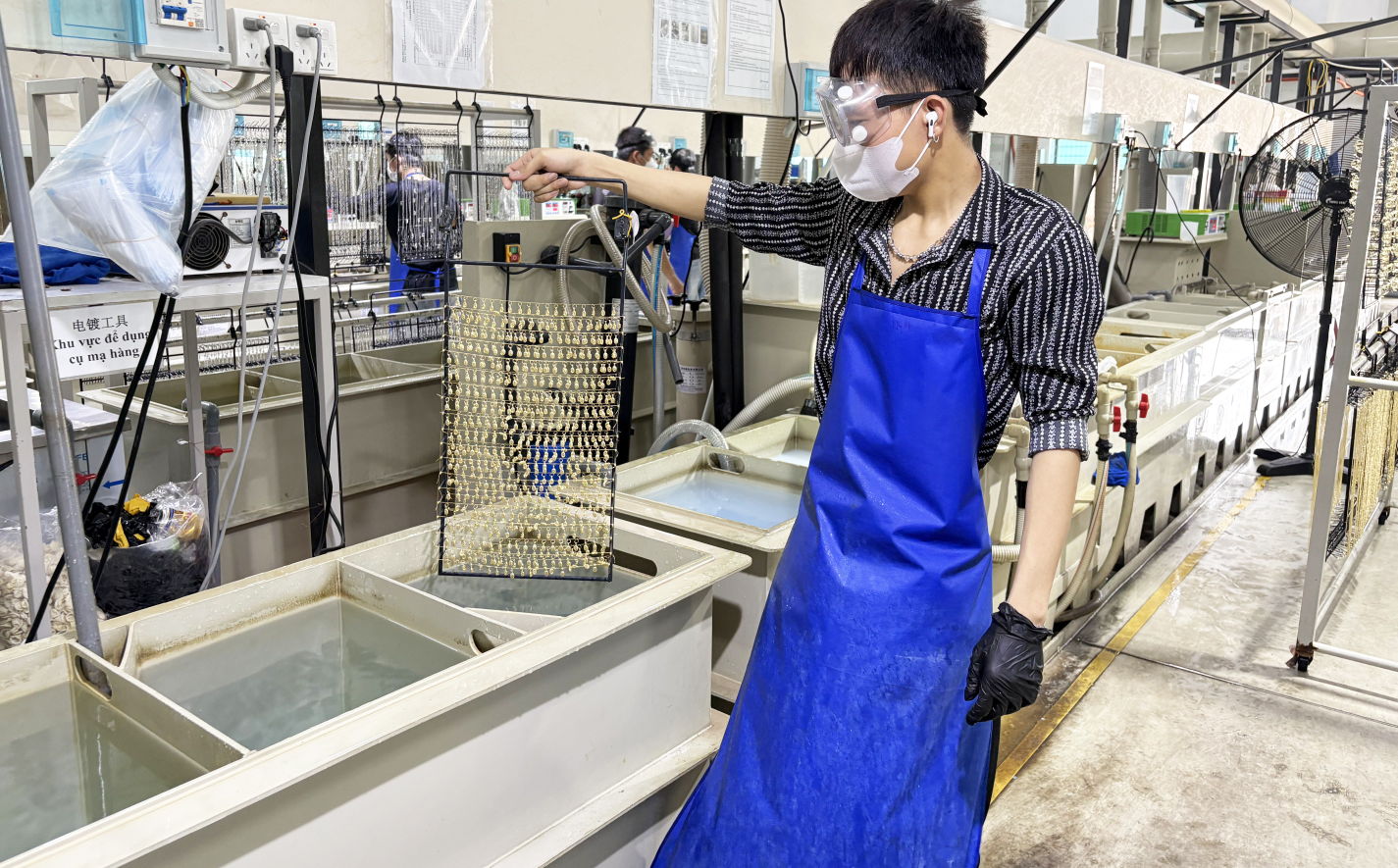
At MCGA Jewelry, we support brands with custom jewelry development across stainless steel, brass, sterling silver, and other materials, helping buyers evaluate the appropriate manufacturing solution based on design, positioning, target market, and production requirements.
925 Sterling Silver vs. Stainless Steel for Jewelry Brands
For brands developing a new collection, sterling silver and stainless steel can serve very different product strategies.
| Feature | 925 Sterling Silver | Stainless Steel |
|---|---|---|
| Material positioning | Precious metal | Durable fashion / lifestyle material |
| Appearance | Classic silver appearance | Modern metallic appearance |
| Tarnishing | Can tarnish naturally | Generally more resistant to tarnishing |
| Maintenance | Requires regular care | Relatively easy to maintain |
| Customization | Excellent | Excellent |
| Plating options | Available | Available |
| Suitable for | Premium and precious-metal collections | Everyday and fashion jewelry |
Neither material is universally suitable for every jewelry collection.
The right choice depends on the brand's product positioning, target customers, price structure, design requirements, and expected use environment.
Why Material Selection Matters in OEM Jewelry Manufacturing
When developing custom jewelry, choosing a material based only on appearance can create problems later in production.
A professional manufacturing evaluation should consider:
Product positioning
Target retail price
Expected wearing environment
Required surface finish
Plating requirements
Design complexity
Durability expectations
Production volume
Packaging and care instructions
For example, a brand focused on everyday waterproof-style fashion jewelry may have different material requirements from a brand developing premium sterling silver collections.
That is why material selection should be discussed during the design and sampling stage rather than after production begins.
How MCGA Supports Custom Silver Jewelry Manufacturing
MCGA Jewelry is a Vietnam-based jewelry manufacturer supporting brands with OEM and ODM production.
Our manufacturing capabilities cover multiple jewelry materials, including:
925 sterling silver
316L stainless steel
Brass
Titanium and zinc alloys
For custom jewelry projects, we can support different stages of development, including:
Design → Prototype / Sample → Surface Finishing → Stone Setting → Quality Control → Bulk Production
Depending on the project, brands can also discuss plating, polishing, gemstone setting, logo customization, packaging, and other product requirements with our team.
This allows jewelry brands to evaluate materials and manufacturing processes together before moving into bulk production.
Create Your Custom Jewelry Collection with MCGA
Choosing the right material is one of the first decisions in developing a successful jewelry collection.
Whether you are looking for 925 sterling silver, 316L stainless steel, brass, or other materials, MCGA can help you evaluate manufacturing options based on your design and market requirements.
Have a custom jewelry project in mind? Contact MCGA Jewelry to discuss your design, material, plating, and production requirements.