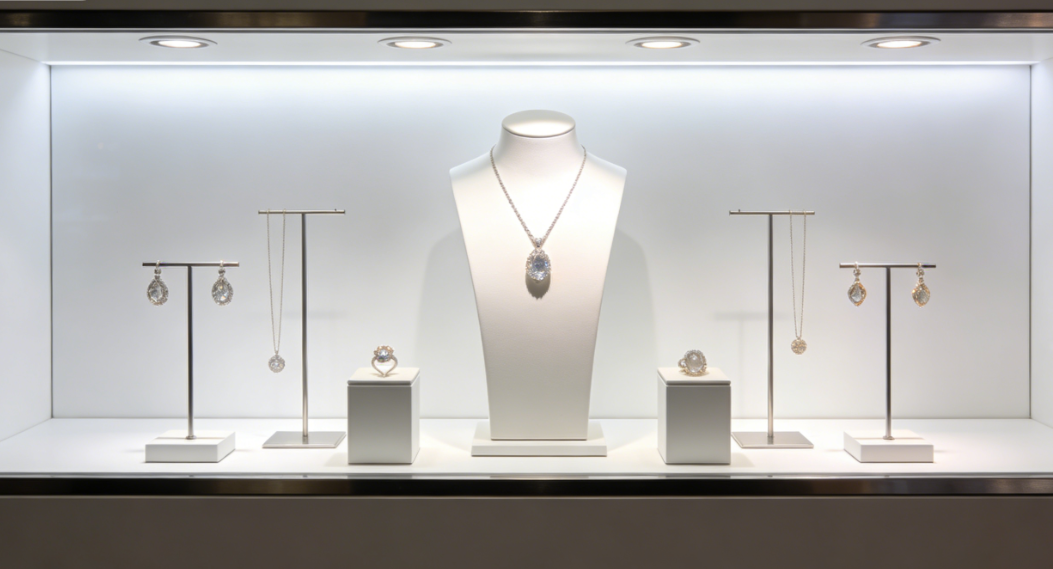
Why Your Choice of Manufacturer Matters More Than You Think
Your manufacturer is more than a supplier; they are your production partner. They directly impact:
Product Quality & Consistency: The craftsmanship, materials, and finishing define your brand’s perceived value – a top priority for any high-end jewelry manufacturer.
Brand Reputation: Delays, poor quality, or ethical issues can severely damage trust, especially for brands focused on custom jewelry production.
Profit Margins: Manufacturing costs, MOQs, and hidden fees directly affect your bottom line – work with a cost-effective jewelry manufacturer without compromising quality.
Scalability: Can your partner grow with you, handling increased volumes without sacrificing quality? A scalable jewelry production partner is key to long-term success.
Innovation Potential: Do they offer design support, new material expertise, or technical solutions? This is critical for brands pursuing custom jewelry manufacturing.
Your Sanity! Smooth communication and reliability reduce stress significantly – a hallmark of a trusted jewelry manufacturer.

Factors to Evaluate When Choosing a Jewelry Manufacturer
1. Define Your Brand’s Core Needs (Before You Search)
Product Type & Complexity: Are you making simple pendants, intricate statement pieces, bridal, or high-fashion? Complexity dictates the machinery and skill needed. Explore our jewelry manufacturing capabilities to see examples.
Materials: Sterling Silver? Brass? Stainless Steel? Gold Plated? Gemstones? Be specific. Top jewelry manufacturers specialize in specific materials.
Target Quality Level: High-luxury, accessible luxury, fashion-forward? This dictates craftsmanship standards and material grades – align with a high-end jewelry manufacturer if luxury is your focus.
Order Volume (MOQs): Are you starting small (low MOQs needed) or scaling production? Be realistic – many custom jewelry manufacturers offer flexible MOQs for startups.
Budget: Understand your cost targets per piece, including materials, labor, plating, and shipping. A transparent jewelry manufacturer will provide clear pricing breakdowns.
Design Source: Do you need full custom design & CAD, or just production from your tech packs? Look for a jewelry production partner that offers the support you need.
2. Expertise & Specialization
Material Mastery: Don’t choose a gold specialist for your stainless steel line. Ask for specific examples of work in your materials – a reputable jewelry manufacturer will showcase their expertise.
Technique Proficiency: Require expertise in techniques you use: casting, stamping, forging, stone setting (prong, bezel, pave), intricate chain making, high-end polishing (like MCGA’s multi-stage process), or advanced plating (like PVD for stainless steel or flash plating for brass/silver).
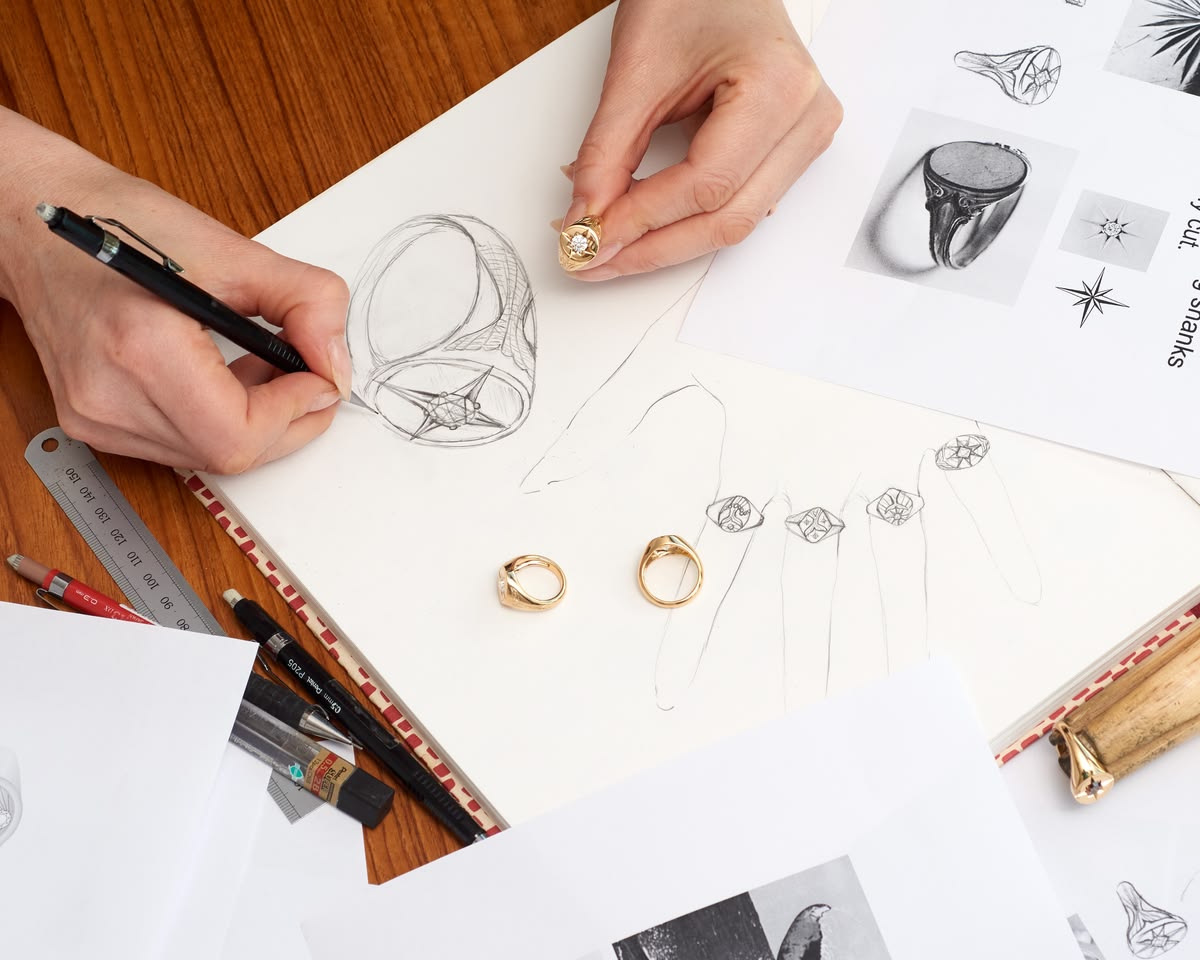
Design & Development Support: Can they translate sketches into CAD? Offer material advice? Prototype effectively? This is crucial for custom jewelry manufacturing.
3. Quality Control: Non-Negotiable Standards
A reliable jewelry manufacturer prioritizes rigorous quality control to ensure consistent, high-quality products. Look for these key practices:
In-Process QC: How is quality monitored during production? Ask for specifics – top high-end jewelry manufacturers have strict in-process checks.
Final Inspection: What are their final inspection protocols? Is it a quick glance or a detailed checklist? A thorough jewelry production partner will have clear protocols.
Testing & Certifications: Do they perform:
Plating Durability Tests? (e.g., Neutral Salt Spray, Tumble Abrasion, Local Friction Tests – like those performed with German equipment at MCGA)
Plating Thickness Verification? (Critical for longevity – a must for any trusted jewelry manufacturer)
Material Assay? (Confirming metal purity, e.g., 925 Sterling Silver)
Stone Verification? (If applicable)
Hallmarking Compliance? (For precious metals)
Quality Documentation: Can they provide inspection reports? Transparency in quality is a sign of a reputable custom jewelry manufacturer.
4. Production Capacity & Scalability
Current Capacity: Can they handle your initial order volume within your timeframe? A reliable jewelry manufacturer will set realistic expectations.
Lead Times: Get realistic estimates. Factor in prototyping, production, QC, and shipping. Ask about buffer time – essential for custom jewelry production.
Scalability: If your order volume doubles next year, can they accommodate it without quality dropping? A scalable jewelry production partner grows with your brand.
Technology: Do they use modern equipment (laser welders, precise CAD/CAM, automated polishing where appropriate) alongside skilled craftsmanship? Advanced technology sets topjewelry manufacturers apart.
5. Minimum Order Quantities (MOQs) & Pricing
Transparent Pricing Structure: Understand the breakdown: materials, labor, tooling, plating, finishing, packaging. Beware of hidden fees – a trustworthy jewelry manufacturer is transparent.
MOQ Flexibility: Especially vital for startups. Do they offer tiered MOQs or sample runs? Many custom jewelry manufacturers cater to small brands.
Sample Costs: Factor in prototype/sample costs. They are essential but vary greatly – ask your jewelry production partner for clear sample pricing.
Payment Terms: Understand deposits, progress payments, and final payment requirements. Are they reasonable? A fair jewelry manufacturer offers flexible, transparent terms.
6. Communication & Service: The Make-or-Break Factor
Smooth communication is critical when working with a jewelry manufacturer, especially for custom jewelry production. Look for these traits:
Responsiveness: How quickly do they reply to inquiries? Slow replies often signal future problems – a reliable jewelry production partner is responsive.
Clarity & Language: Is communication clear and free of significant language barriers? Do they have dedicated account managers fluent in your language? Essential for international jewelry manufacturers.
Proactive Updates: Will they keep you informed during production without you having to chase? A proactive custom jewelry manufacturer reduces stress.
Problem-Solving Approach: How do they handle issues? Ask for an example – a trusted jewelry manufacturer solves problems quickly and transparently.
Transparency: Are they open about capabilities, limitations, and challenges? (MCGA advocates pre-production video conferences to align expectations perfectly and build trust from day one).
Cultural Compatibility: Does their working style match yours? Important for long-term partnerships with jewelry manufacturers.

7. Ethical & Sustainable Practices (Increasingly Vital)
Modern brands prioritize ethical practices – choose a jewelry manufacturer that aligns with your values:
Labor Standards: Ensure fair wages, safe working conditions, and no child labor. Request information or certifications – a responsible custom jewelry manufacturer is transparent about labor practices.
Material Sourcing: Where do metals and stones come from? Can they offer recycled metals or traceable gemstones? Sustainable jewelry production is a growing priority.
Environmental Practices: What are their waste management, chemical disposal (especially in plating), and energy efficiency policies? A green jewelry manufacturer minimizes environmental impact.
Compliance: Adherence to international standards (e.g., ISO) is a plus – a sign of a professional jewelry production partner.
8. Location: Domestic vs. Overseas (Primarily China)
Choosing between domestic and overseas jewelry manufacturers depends on your needs. Here’s a breakdown:
Domestic Pros: Easier communication, shorter shipping times, potentially simpler logistics, supporting local economy.
Domestic Cons: Significantly higher costs, potentially less specialized equipment for complex work, limited scalability.
Overseas (China) Pros: Cost-effectiveness (often 30-60% lower), vast manufacturing ecosystem, high specialization, scalability, access to advanced technologies, mature supply chains – ideal for custom jewelry manufacturing.
Overseas (China) Cons: Longer lead times (factor in shipping), potential language/cultural barriers (mitigated by good partners like MCGA), distance for physical visits, navigating logistics. The key is finding a high-end, reliable partner who bridges these gaps.
Why Partnering with a High-End Manufacturer Makes the Difference
Choosing an overseas manufacturer doesn’t mean compromising on quality or service – if you select the right partner. MCGA Jewellery exemplifies the high-end jewelry manufacturing available in China:
Uncompromising Quality: Rigorous QC protocols including German-made testing equipment for plating thickness (>1µm & <1µm), hardness (using 4H pencils), durability (Salt Spray, Abrasion), and color accuracy (International Standard Lighting Cabinets) – hallmarks of a top high-end jewelry manufacturer.
Advanced Craftsmanship: Expertise in multi-stage polishing processes (drum, roller, precision gear, and hand-finishing by artisans with 6-10+ years experience) and cutting-edge plating (PVD for unmatched stainless steel durability, specialized flash plating for brass/silver) – perfect for custom jewelry production.
True Customization: From design conception to finished product, offering tailored solutions in materials, finishes, plating colors/thickness, and packaging. Explore our full jewelry manufacturing services.
Transparent & Efficient Communication: Proactive video conferencing ensures alignment before production begins, building trust and streamlining the entire process. Dedicated project management – a key benefit of partnering with MCGA as your jewelry production partner.
Scalability & Reliability: Capacity to handle growing volumes while maintaining high standards and meeting agreed timelines – essential for brands scaling with theirjewelry manufacturer.
Ethical & Sustainable Focus: Commitment to responsible practices – aligning with modern brands’ values for sustainable jewelry production.
Red Flags: Warning Signs to Watch Out For
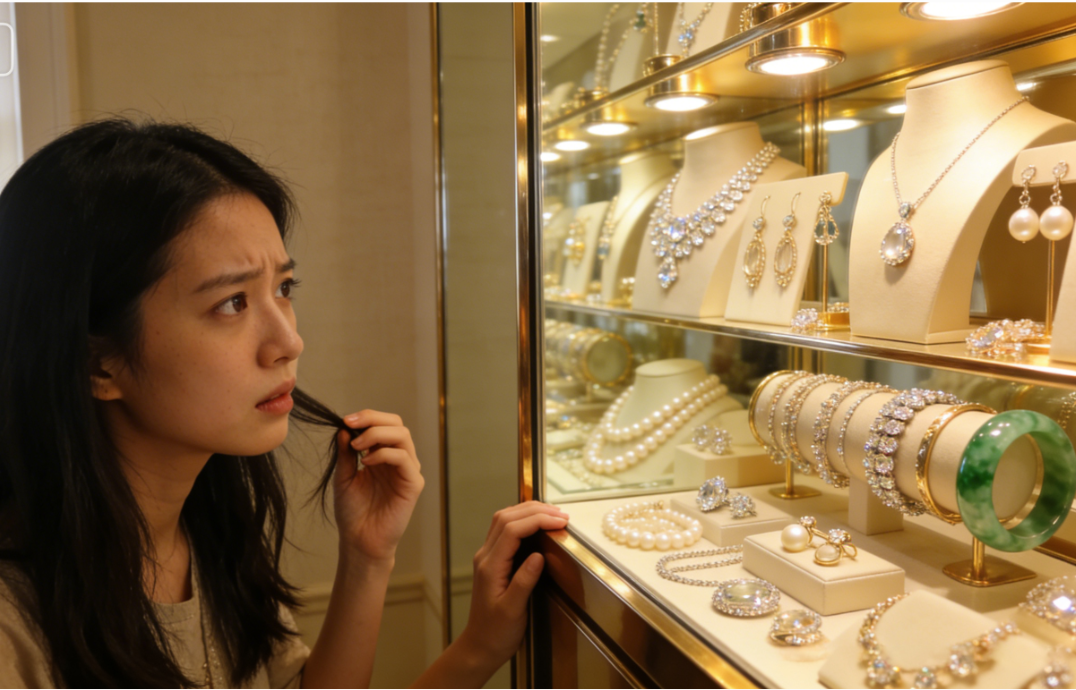
Avoid these pitfalls when selecting a jewelry manufacturer:
Vague Answers: Inability to clearly explain processes, QC, or pricing – a sign of an unprofessional custom jewelry manufacturer.
Unrealistically Low Prices: If it seems too good to be true, it probably is. Quality costs – a reliablejewelry production partner offers fair pricing.
Poor Communication: Slow responses, unclear messages, lack of proactiveness – avoid these jewelry manufacturers.
No Samples or High Sample Fees Without Justification: Seeing and feeling quality is essential – a reputable jewelry manufacturer offers reasonable sample options.
Lack of References or Portfolio: Reluctance to show past work or provide client contacts (with permission) – a red flag for any custom jewelry manufacturer.
No Clear Contracts: Avoid handshake deals. Everything must be documented – a professional jewelry production partner provides clear contracts.
Pressure to Pay Large Deposits Upfront: Standard terms involve staged payments – a trustworthy jewelry manufacturer won’t pressure you for large upfront deposits.
The Selection Process: Your Step-by-Step Action Plan
Follow these steps to find the perfect jewelry manufacturer for your brand:
Define Your Requirements: Use the criteria above. Be specific – clear requirements help you find the right custom jewelry manufacturer.
Research & Shortlist: Look for manufacturers specializing in your niche (like MCGA for high-end stainless steel, brass, and silver). Utilize directories, trade shows, and referrals to find top jewelry manufacturers.
Initial Inquiry: Send a detailed brief. Gauge responsiveness and clarity – a good jewelry production partner will reply promptly.
Request Quotes & MOQs: Get detailed quotes from your shortlist. Compare pricing and terms to find a cost-effective jewelry manufacturer.
Evaluate Portfolios & Expertise: Do their capabilities match your needs? Ensure they have experience in your desired jewelry manufacturing techniques.
Request & Evaluate Samples: This is CRITICAL. Assess quality, finish, and packaging firsthand. Test plating if possible – a must when working with a custom jewelry manufacturer.
Deep Dive on QC & Processes: Ask detailed questions about their quality control steps and manufacturing flow – a top high-end jewelry manufacturer will be transparent.
Discuss Communication & Project Management: Understand their process and key contacts – smooth communication is key with your jewelry production partner.
Check References: Contact past or current clients if possible – feedback from other brands helps validate a jewelry manufacturer’s reliability.
Clarify Contracts & Terms: Ensure payment terms, delivery schedules, IP ownership, and QC standards are crystal clear in writing – protect your brand with a clear contract.
Start Small: Consider a pilot order before committing to large volumes – test the waters with your jewelry manufacturer to ensure alignment.
FAQs: Your Top Questions Answered
Q: What are typical MOQs for custom jewelry?
A: Varies hugely! High-end jewelry manufacturers might start around 50-100 pieces per style for simple designs, while larger factories might require 500+. Flexibility is key for startups. Ask your custom jewelry manufacturer about MOQ options!
Q: How long does custom jewelry manufacturing take?
A: Allow 6-12 weeks on average. This includes prototyping (1-3 weeks), production (4-8 weeks), QC, and shipping (1-3 weeks). Complexity and order size affect this. Get detailed timelines from your jewelry production partner.
Q: How much does custom jewelry manufacturing cost?
A: Cost per piece depends on materials, complexity, labor, plating, stones, and order size. Simple silver pieces might start around $10–$30, complex plated gold pieces with stones can be $50–$200+. Detailed quotes are essential – a transparent jewelry manufacturer will provide a breakdown.
Q: Do I need my own designs?
A: Not necessarily! Many jewelry manufacturers (like MCGA) offer full design-to-production services, including CAD modeling and prototyping based on your concepts – perfect for brands new to custom jewelry manufacturing.
Q: How can I ensure quality from an overseas manufacturer?
A: Thorough vetting (follow the steps above), detailed specs, clear contracts, rigorous sampling, choosing a reputable high-end partner with proven QC (like MCGA), and potentially using third-party inspection services for large orders. A trusted jewelry production partner will prioritize quality.