
When building a jewelry brand or sourcing products for wholesale, selecting the right material can make or break your success. Two of the most sought-after options in today’s market are stainless steel and sterling silver.
But which one truly delivers superior value for your business in 2026?
In this comprehensive guide, we break down the key factors—durability, cost, customer experience, and market trends—to help you make the most strategic decision for your brand’s growth.
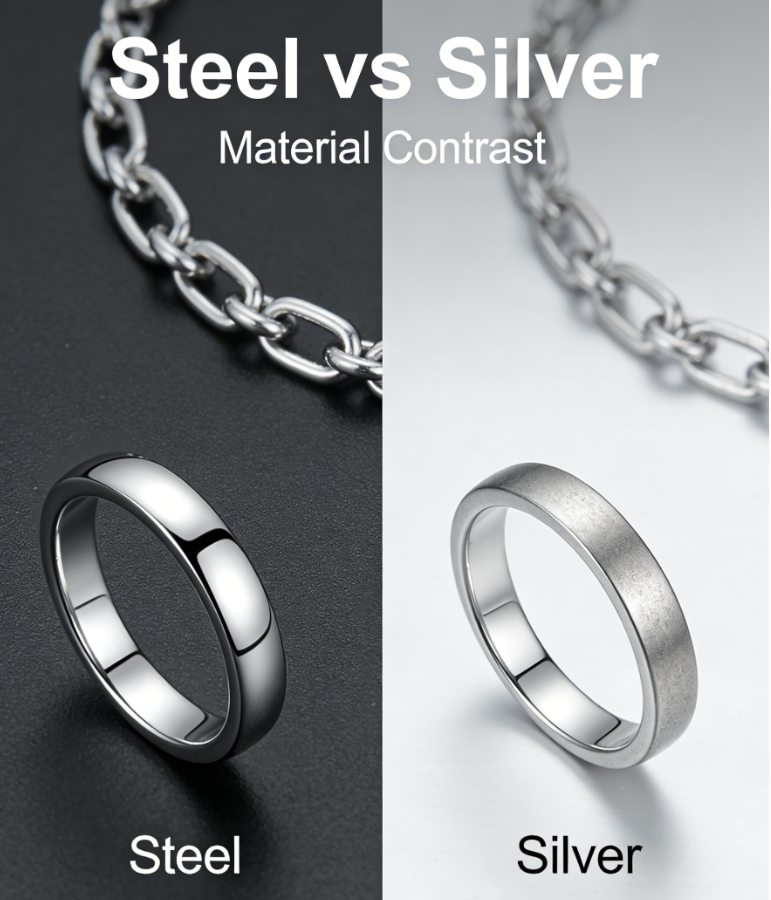
1. Durability: Which Material Lasts Longer?
Stainless steel jewelry—particularly 316L stainless steel—stands out for its exceptional durability. It is highly resistant to tarnishing, rust, and scratches, making it the perfect choice for everyday wear and low-maintenance use.
While sterling silver is elegant and widely cherished for its timeless appeal, it is a softer metal. Over time, it naturally oxidizes and demands regular polishing to preserve its signature shine.
👉 Key takeaway:
Stainless steel drastically cuts down on after-sales issues and product returns, saving your brand time and resources.
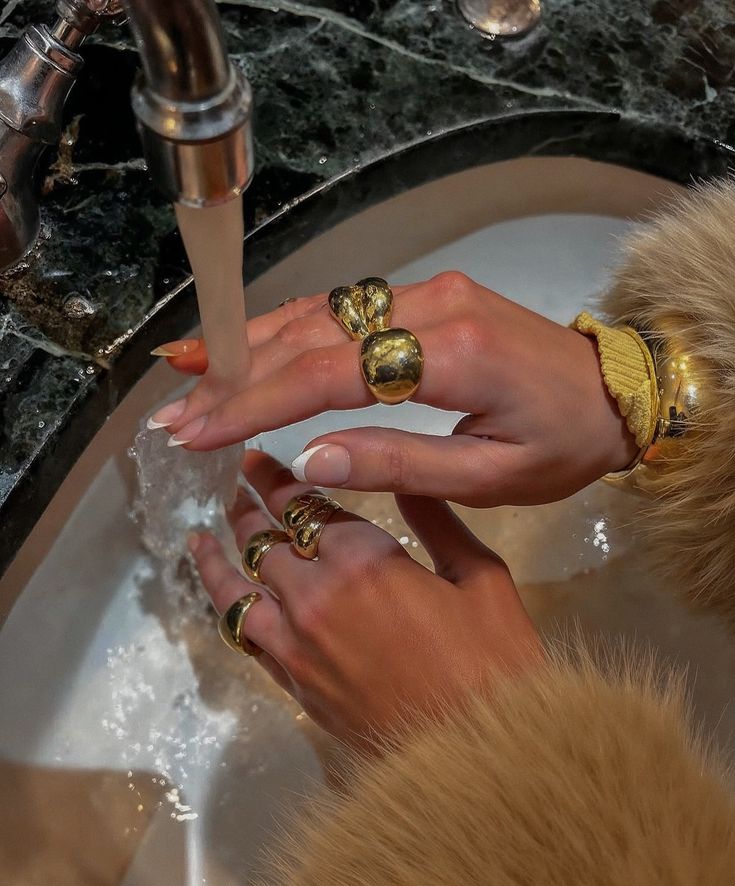
2. Cost & Profit Margin: Which Is More Business-Friendly?
For jewelry brands—especially startups and DTC sellers—effective cost control is crucial to long-term profitability.
Stainless steel offers clear advantages here:
Lower raw material costs
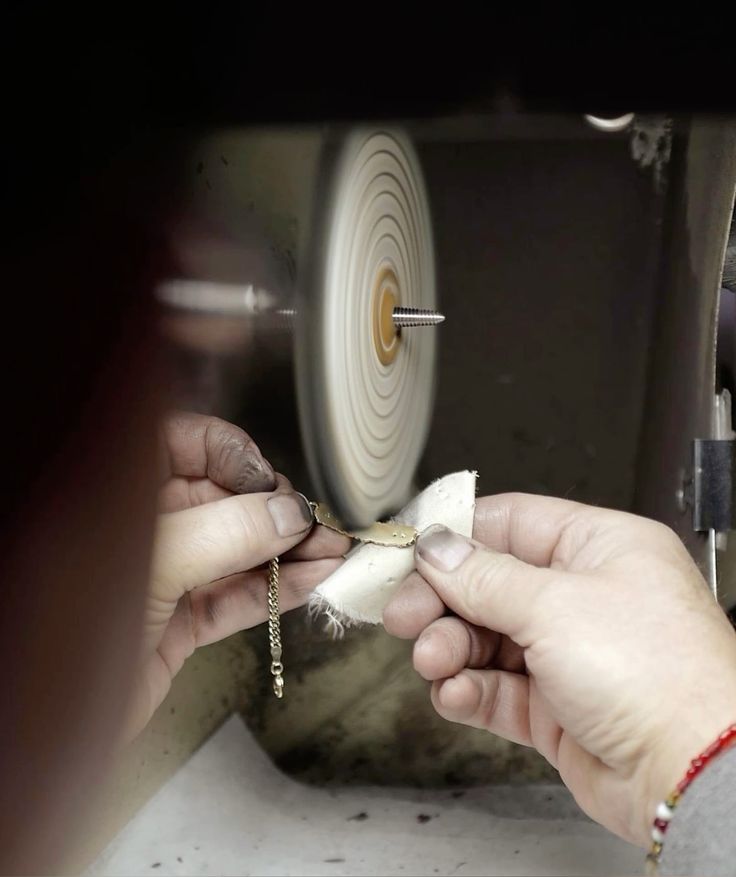
Faster production cycles (reducing lead times)
Competitive wholesale pricing (boosting market competitiveness)
Sterling silver, on the other hand, comes with higher costs due to fluctuating silver prices, which can eat into your profit margins and limit pricing flexibility.
👉 Key takeaway:
Stainless steel enables better scalability and greater pricing flexibility, making it ideal for brands looking to grow sustainably.
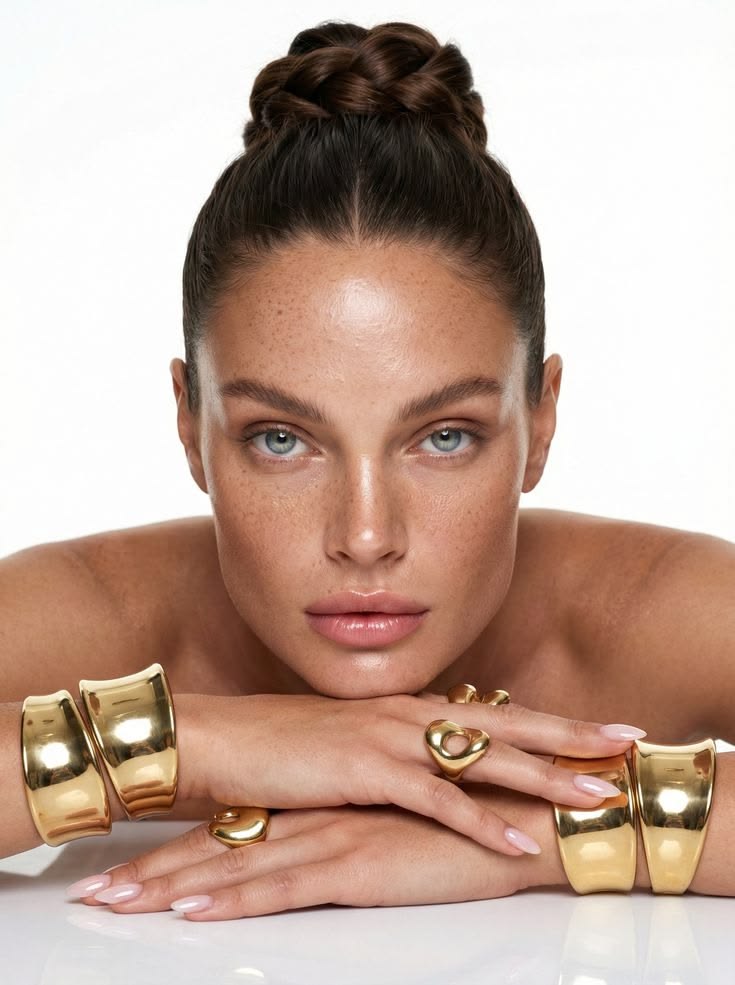
3. Style & Market Positioning
Your choice of material directly shapes your brand’s positioning and appeal to your target audience.
Sterling silver:
Exudes a premium, luxurious feel
Aligns with the traditional fine jewelry market and consumers seeking timeless elegance
Stainless steel:
Embraces a minimalist & modern aesthetic
Caters to the booming waterproof jewelry trend
Perfect for everyday wear collections that prioritize comfort and functionality
👉 Key takeaway:
Select your material based on your target audience’s preferences and brand identity—not just visual aesthetics.
4. Maintenance & Customer Experience
Today’s consumers prioritize convenience—they want jewelry that seamlessly fits into their busy daily lives with minimal upkeep.
Stainless steel:
✔ Tarnish-resistant (no unsightly discoloration)
✔ Sweat-proof (ideal for active lifestyles)
✔ No maintenance required (saves customers time and effort)
Sterling silver:
✖ Requires regular polishing to maintain its shine
✖ Tarnishes over time (even with proper care)
👉 Key takeaway:
Low-maintenance jewelry translates to higher customer satisfaction, fewer complaints, and stronger brand loyalty.
5. Which Material Should You Choose?
If your brand’s goals are to:
Build a scalable jewelry brand with consistent growth
Reduce product returns and after-sales hassle
Offer everyday wearable designs that resonate with modern consumers
👉 Stainless steel is the smarter, more future-proof choice in 2026.
If your brand focuses on:
Luxury positioning and high-end market segments
Traditional jewelry markets where silver’s timeless appeal is a key selling point
👉 Sterling silver still holds significant value and can be a strong differentiator.
❓ Frequently Asked Questions (FAQ)
1. Does stainless steel jewelry tarnish over time?
No, high-quality stainless steel—especially 316L—does not tarnish easily. It is highly resistant to oxidation, rust, and corrosion, making it ideal for everyday wear.
👉 This is why many modern jewelry brands are switching to stainless steel for long-term customer satisfaction.
2. Is stainless steel jewelry better than sterling silver?
It depends on your business goals.
- Stainless steel is better for durability, affordability, and low maintenance
- Sterling silver is better for premium positioning and traditional jewelry markets
👉 For most fast-growing brands, stainless steel offers better scalability and fewer returns.
3. Is stainless steel jewelry safe for sensitive skin?
Yes, most 316L stainless steel jewelry is hypoallergenic and safe for sensitive skin.
However, it's important to ensure the material is nickel-free and meets international standards.
👉 Always work with a reliable manufacturer to guarantee quality.
4. Why is stainless steel jewelry cheaper than sterling silver?
The main reason is material cost.
Stainless steel is more abundant and stable in price, while sterling silver prices fluctuate based on global silver markets.
👉 This allows brands to maintain better profit margins with stainless steel.
5. Can stainless steel jewelry be used for waterproof jewelry collections?
Yes, stainless steel is one of the best materials for waterproof jewelry.
It does not rust or fade easily when exposed to water, sweat, or daily wear conditions.
👉 This makes it perfect for the growing “waterproof jewelry” trend.
6. Which material is better for jewelry wholesale businesses?
For wholesale and private label brands, stainless steel is usually the better option because:
- Lower MOQ possibilities
- Better pricing flexibility
- Higher durability (fewer returns)
👉 It is especially suitable for e-commerce and DTC brands.
7. Can I customize stainless steel jewelry designs?
Yes, stainless steel jewelry can be fully customized, including:
- Logo engraving
- Gold plating (PVD)
- Custom shapes and designs
👉 Many manufacturers (like MCGA Jewelry) support OEM/ODM services for brand owners.
8. How do I choose the right jewelry manufacturer?
When choosing a manufacturer, consider:
- Material quality (316L vs 304)
- Production capability
- MOQ requirements
- Customization options
- Communication speed
👉 A reliable supplier will directly impact your brand’s success.
Final Thoughts
The jewelry market is constantly evolving, and consumer preferences are shifting toward practicality and value.
Modern customers are increasingly drawn to practical, durable, and affordable jewelry options. For most contemporary brands, stainless steel strikes the perfect balance between style, function, and profitability—positioning your brand for long-term success.
Ready to elevate your brand with high-quality, durable jewelry? Look no further than a reliable jewelry manufacturer.
At MCGA Jewelry, we specialize in helping brands bring their visions to life with:
✔ Durable, on-trend stainless steel collections
✔ Customizable custom designs tailored to your brand
✔ Low MOQ production (perfect for startups and scaling brands)