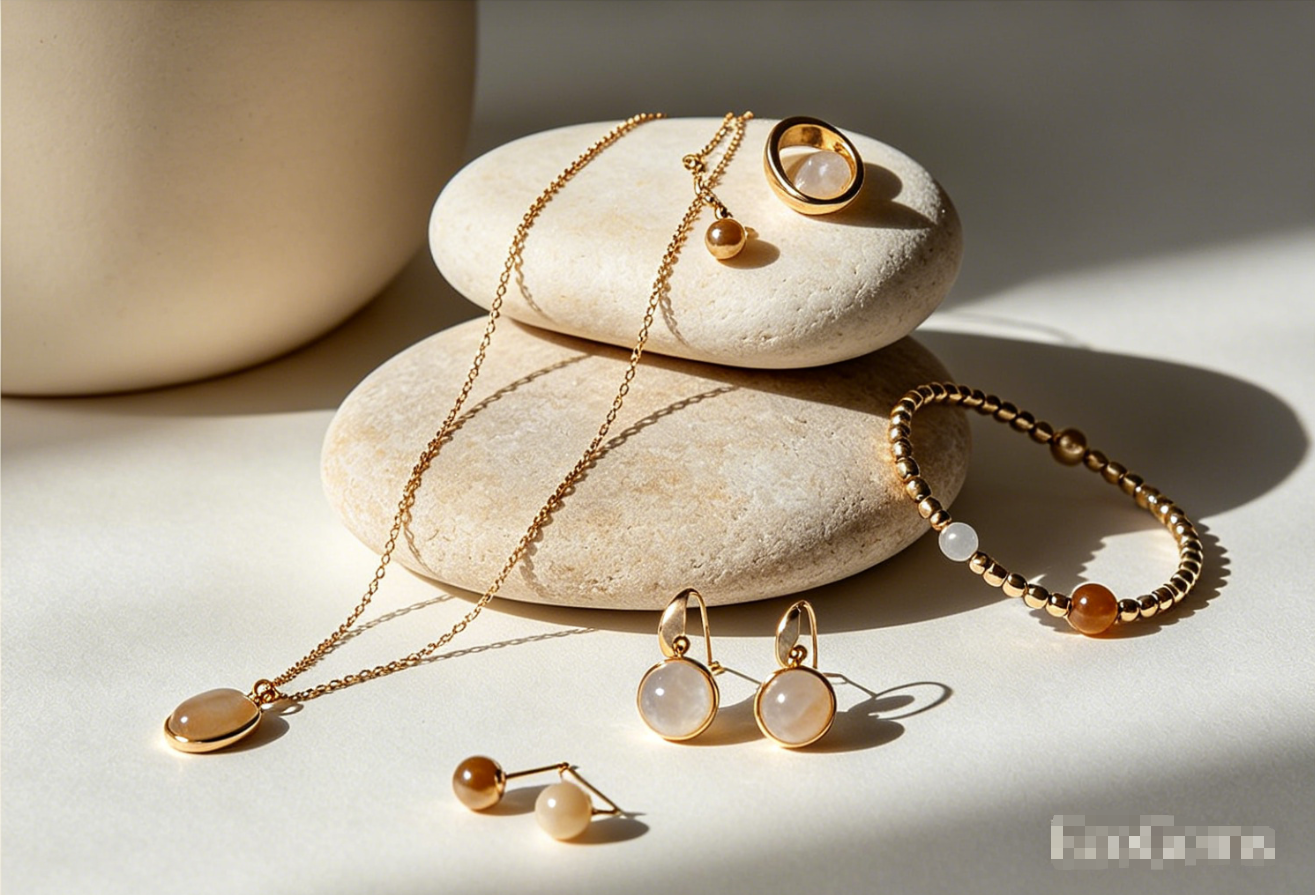
Today's consumers—especially Gen Z and younger Millennials—are redefining what makes a brand valuable. Beyond aesthetics and affordability, they increasingly care about how products are made, where materials come from, and the impact manufacturing has on people and the planet.
At MCGA Jewelry, we believe that great jewelry should not come at the expense of the environment or ethical business practices. That's why we are committed to integrating sustainable jewelry manufacturing, responsible sourcing, and ethical production standards into every stage of our process.
Because jewelry isn't just about looking good—it should also feel good knowing it was made responsibly.
The Rise of Sustainability-Driven Consumers
Sustainability is no longer a niche trend—it has become a major purchasing factor for younger generations.
According to research from IBM Institute for Business Value:
51% of consumers say environmental sustainability is more important to them today than it was a year ago.
49% of consumers reported paying more for products marketed as sustainable or socially responsible.
Consumers who chose sustainable products paid an average premium of 59% more.
This demonstrates that sustainability is no longer simply a marketing message—it is directly influencing purchasing behavior across global markets.
The trend is even stronger among Gen Z consumers.
Research conducted by First Insight and the Wharton School found that:
75% of Gen Z consumers say sustainability is more important than brand names when making purchasing decisions.
62% of Gen Z shoppers prefer purchasing from sustainable brands.
73% of Gen Z consumers are willing to pay more for environmentally responsible products.
These statistics highlight a significant shift in consumer expectations. Today's buyers are not only interested in how jewelry looks—they also care about how it is made, what materials are used, and whether brands operate responsibly.
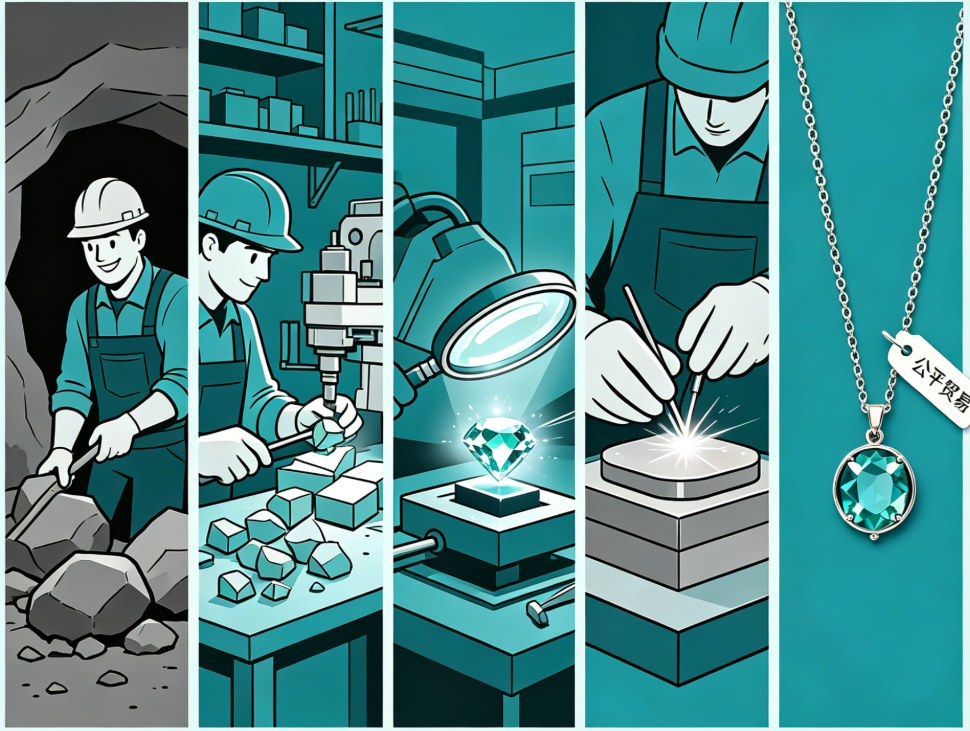
Why Sustainability Matters in Modern Jewelry
The global fashion industry is facing growing pressure to reduce waste, carbon emissions, and resource consumption. Jewelry manufacturing is no exception.
Consumers today want products that align with their values. They actively seek brands that embrace:
Sustainable jewelry materials
Ethical labor practices
Reduced environmental impact
Long-lasting product quality
Transparent supply chains
Rather than contributing to fast-fashion waste, durable jewelry made from quality materials can help promote more responsible consumption.
Ethical Jewelry Starts with Responsible Manufacturing
Being an ethical jewelry manufacturer means more than simply producing beautiful pieces.
It involves:
✓ Fair and safe working conditions
✓ Respect for workers and craftsmanship
✓ Transparent production processes
✓ Compliance with environmental standards
✓ Long-term supplier accountability
At MCGA Jewelry, we understand that every jewelry piece carries the reputation of the brands we work with. Ethical manufacturing helps ensure that quality, integrity, and responsibility are built into every product.
Choosing Materials That Last Longer
One of the most effective ways to support sustainability is by creating jewelry designed to last.
We focus heavily on materials such as:
316L Stainless Steel
Highly durable
Corrosion-resistant
Waterproof
Long product lifespan
Recyclable material
Brass Jewelry
Recyclable metal
Excellent for detailed designs
Cost-effective alternative to precious metals
Suitable for premium plating finishes
When jewelry lasts longer, consumers buy less frequently, reducing unnecessary waste and supporting a more sustainable fashion cycle.
Sustainability Consumer Statistics
| Sustainability Consumer Statistics | Data |
|---|---|
| Consumers who say sustainability is becoming more important | 51% |
| Consumers who paid more for sustainable products | 49% |
| Average premium consumers paid for sustainable products | 59% more |
| Gen Z consumers who prioritize sustainability over brand names | 75% |
| Gen Z shoppers who prefer sustainable brands | 62% |
| Gen Z consumers willing to pay more for sustainable products | 73% |
Sources: IBM Institute for Business Value Consumer Sustainability Report & First Insight/Wharton Sustainability Consumer Research.
Comparison Table
| Traditional Fast Fashion Jewelry | Sustainable & Ethical Jewelry |
|---|---|
| Short product lifespan | Long-lasting durability |
| Frequent replacements | Reduced consumption |
| Limited supply chain transparency | Transparent sourcing and production |
| Lower focus on environmental impact | Environmentally conscious practices |
| Disposable purchasing habits | Responsible consumer mindset |
| Trend-focused only | Value-focused and sustainable |
How Sustainability Benefits Jewelry Brands
 Foremerging jewelry brands and established retailers alike, sustainability is no longer just a marketing trend.
It delivers real business value:
Builds Consumer Trust
Modern consumers are more likely to support brands that demonstrate social and environmental responsibility.
Strengthens Brand Identity
A commitment to ethical jewelry production helps brands differentiate themselves in a crowded marketplace.
Appeals to Gen Z Buyers
Studies consistently show that younger consumers prefer brands that align with their environmental values.
Supports Long-Term Growth
Sustainable business practices help future-proof brands as global regulations and consumer expectations continue to evolve.
Our Commitment at MCGA Jewelry
We continue working toward a more responsible future by focusing on:
High-quality, durable jewelry materials
Efficient manufacturing processes
Reduced production waste
Long-lasting plating technologies such as PVD coating
Ethical production standards
Continuous improvement of sustainability practices
While sustainability is a journey rather than a destination, every improvement contributes to a better future for our industry.
Why Sustainability Is Becoming a Competitive Advantage
For jewelry brands targeting younger consumers, sustainability is rapidly evolving from a "nice-to-have" feature into a key competitive advantage.
Modern shoppers increasingly research brands before making purchases. They want to know:
Where materials come from
How products are manufactured
Whether workers are treated fairly
How long products will last
What environmental impact their purchase may have
Brands that invest in ethical jewelry manufacturing, sustainable jewelry materials, and transparent production practices are often better positioned to earn customer trust and long-term loyalty.
As Gen Z's purchasing power continues to grow, sustainability is expected to become one of the most influential factors shaping the future of the global jewelry industry.